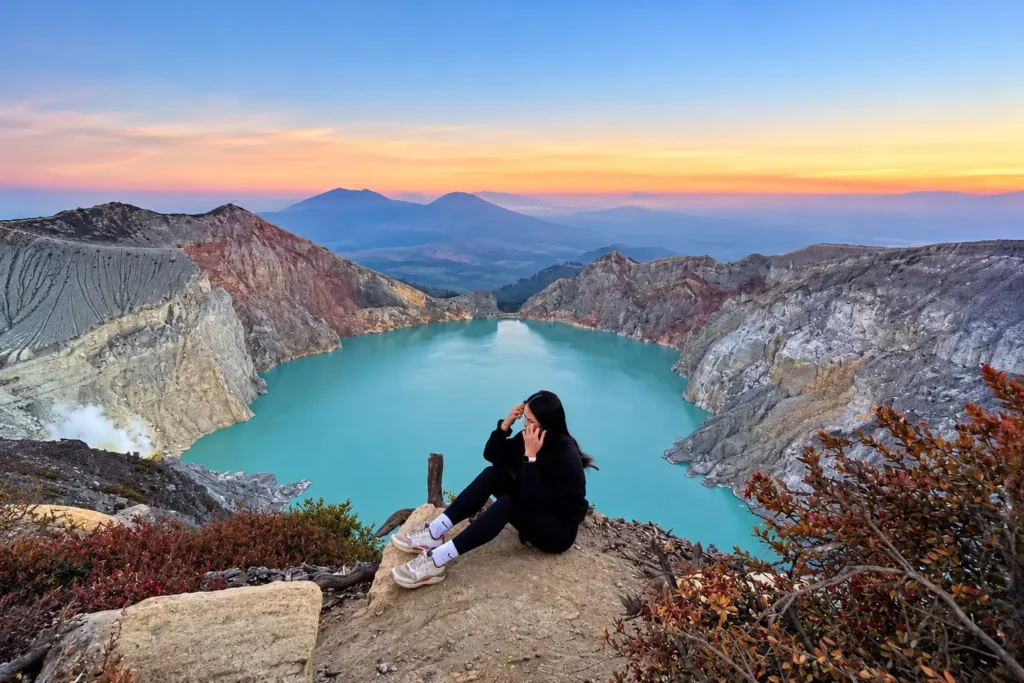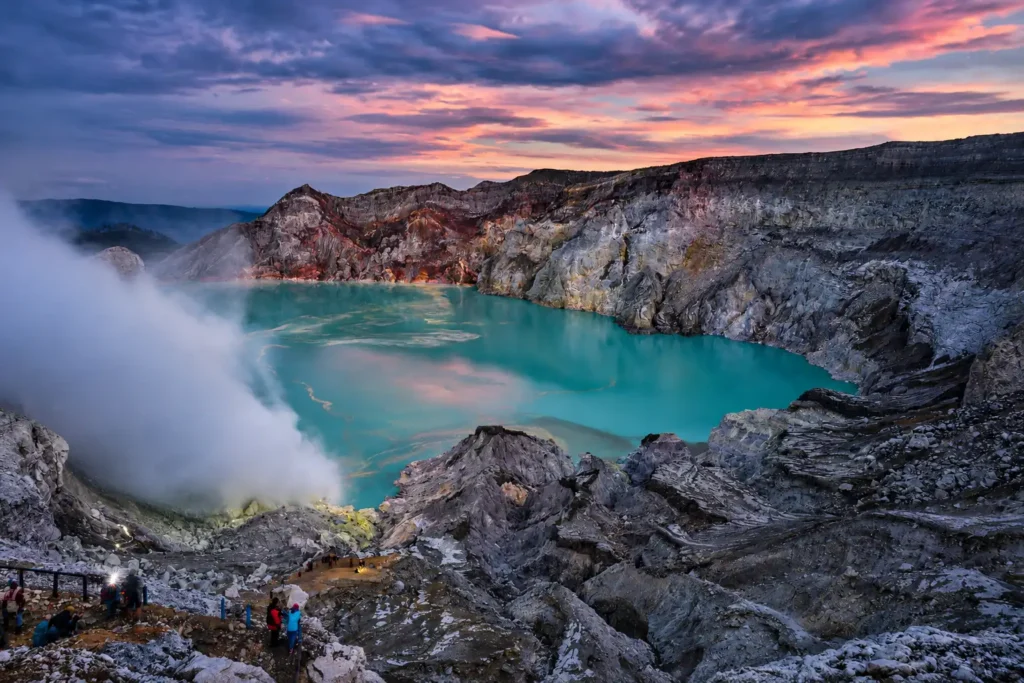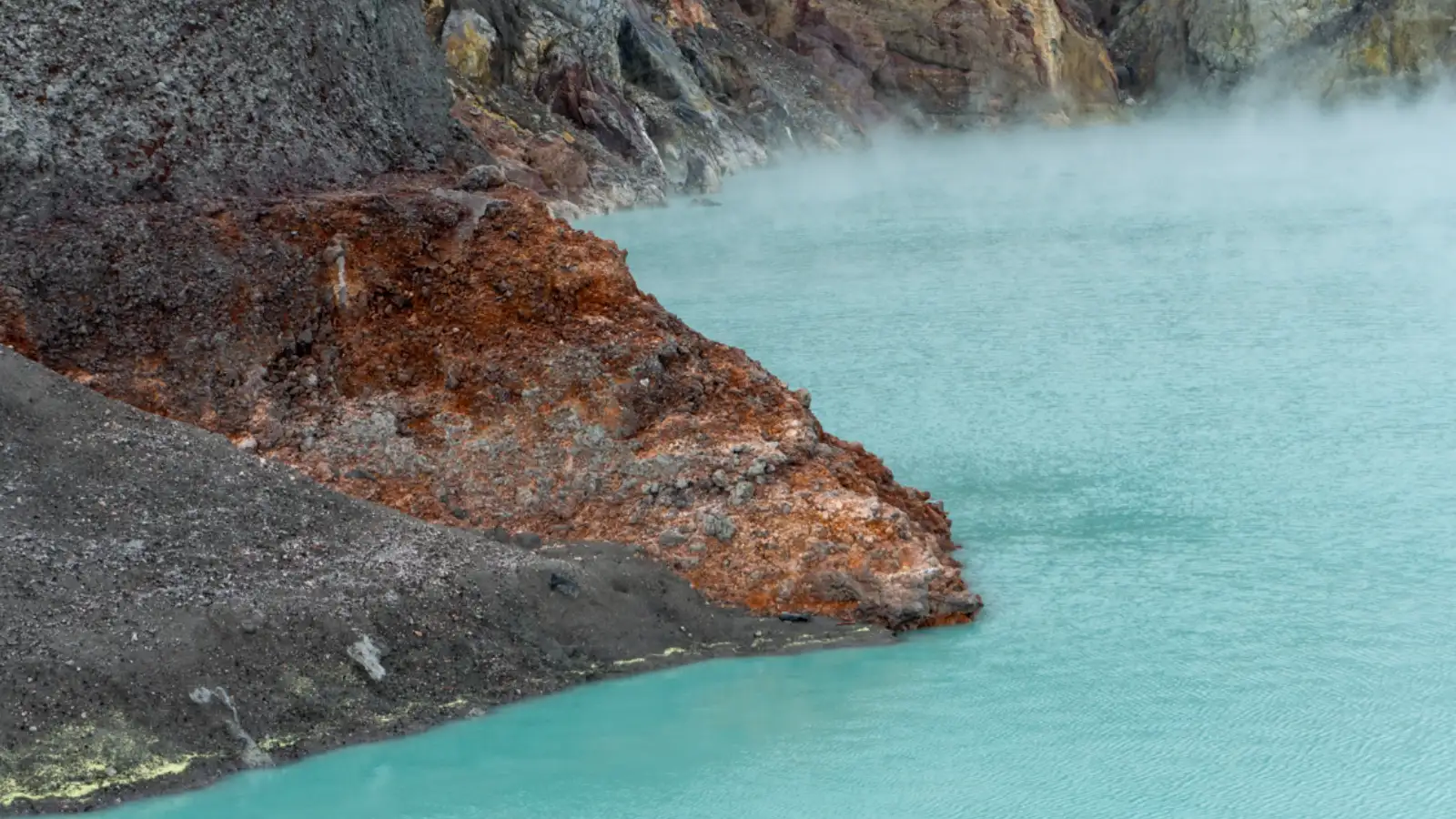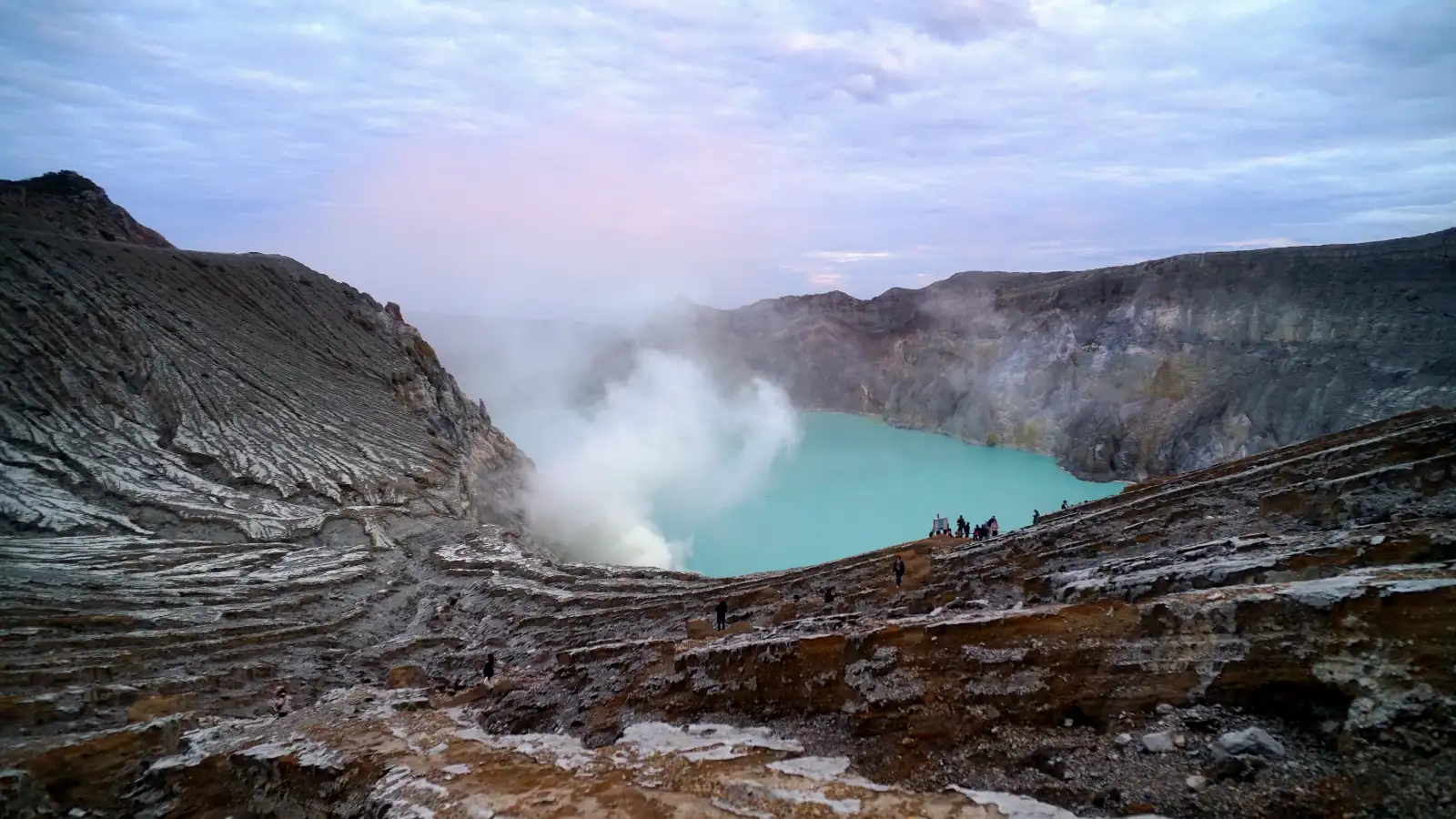
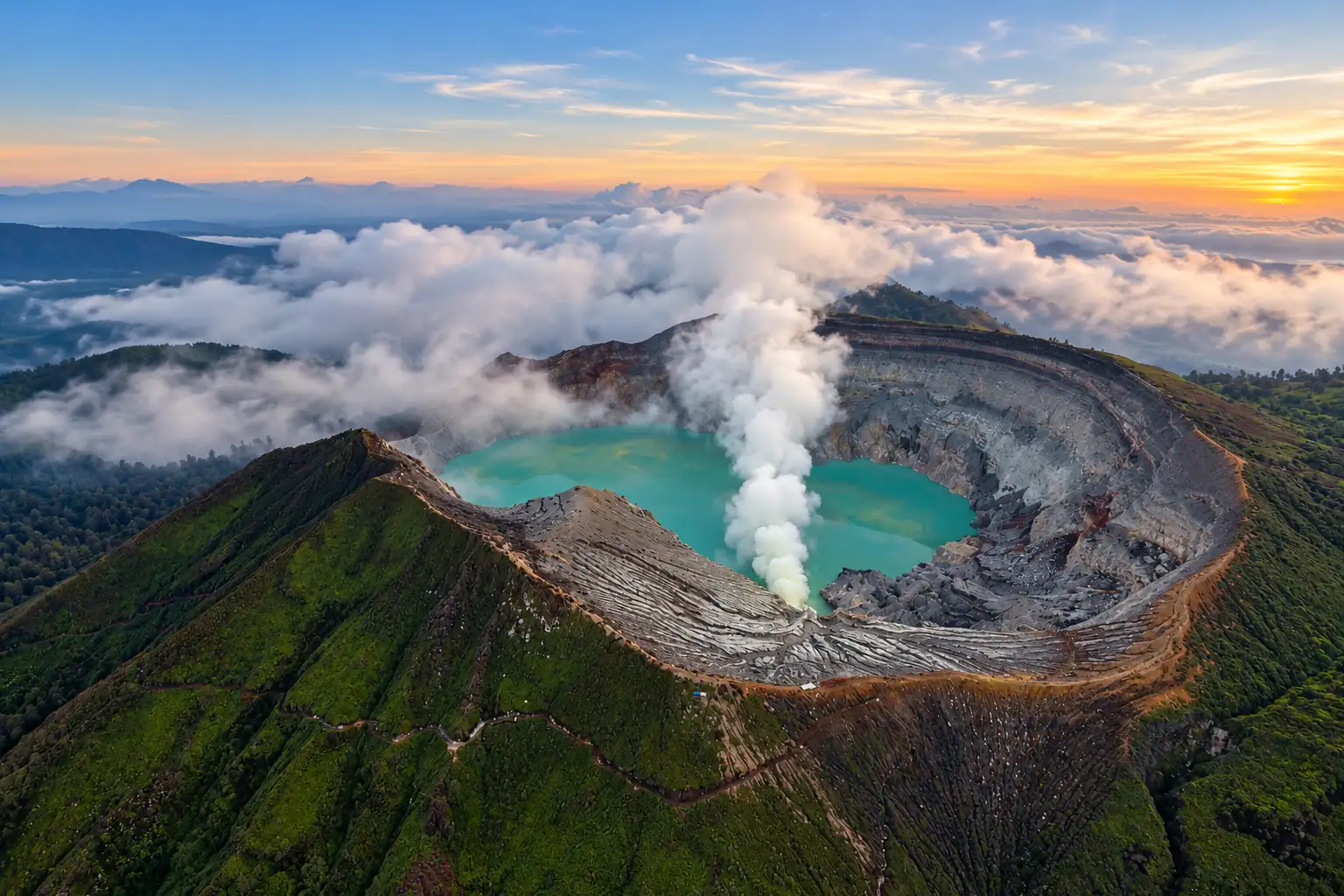
For travelers planning an unforgettable journey to East Java, an Ijen Crater update is crucial for a smooth and safe experience. Currently, Mount Ijen remains open for visitors, offering access to its famous blue fire phenomenon and the mesmerizing turquoise acid lake. Trekking conditions are generally stable, though consistent vigilance regarding volcanic activity and adherence to safety protocols are paramount. This guide provides the latest information on access, regulations, and essential tips for your visit.
Quick Facts About Ijen Crater
Here’s an overview of essential details for planning your Ijen Crater adventure:
Ijen Crater Current Status: Access and Safety
As of the latest reports, Ijen Crater maintains a stable level of volcanic activity, allowing regular tourist access. The authorities frequently monitor the volcano, and any significant changes in Mount Ijen latest news or Ijen volcano activity would be immediately communicated through official channels. Always check local advisories before your trip.
Blue Fire Visibility and Access
The famed Ijen blue fire update remains positive, with the phenomenon generally visible during the dark hours before dawn. To witness this spectacle, visitors must begin their trek from the Paltuding entrance at the official opening time of 02:00 AM WIB. Access to the crater floor, where the blue flames are most prominent, is often managed by local guides due to the challenging terrain and sulfur gas concentrations. Protective gear, specifically a gas mask, is not just recommended but often a crucial item for safety while descending.
Health Certificate and Entry Regulations
A significant Ijen Crater travel update is the mandatory requirement for a Health Certificate (Surat Keterangan Sehat) for all visitors. This regulation underscores the authorities’ commitment to visitor safety, particularly given the strenuous nature of the trek and the presence of sulfur fumes. Ensure you obtain this certificate from a certified medical professional before arriving at the Paltuding entrance. It is part of the Ijen entrance regulations and will be checked along with your entry ticket.
Ijen Crater Trail Conditions and Trekking Update
The Ijen Crater hiking update indicates that the trail from Paltuding to the crater rim is well-trodden but can be steep and gravelly in sections. The descent into the crater for the blue fire view involves a rugged, narrow path. Trekking poles are highly advisable for stability. The Ijen Crater visitor information suggests wearing sturdy hiking shoes. Early morning temperatures at Paltuding can drop to 3°C (37°F), making warm layers essential. After sunrise, the path to the summit offers spectacular views of the turquoise lake.
Planning Your Ijen Journey: Logistics and Tips
Efficient planning is key to maximizing your Ijen Crater experience, especially if you’re combining it with other East Java attractions.
Getting to Paltuding
The Paltuding ranger post is the starting point for all Ijen treks. Most travelers reach Paltuding from Banyuwangi, the closest major city. Transportation options include private car hire, motorbike, or pre-arranged tour packages. While some opt to rent a scooter, the challenging mountain roads leading to Paltuding are best navigated by experienced drivers, especially in the dark pre-dawn hours. Consider a guided tour for seamless logistics and safety. You can book your Ijen adventure here.
Combining Ijen with Mount Bromo and Bali
Many travelers combine an Ijen Crater tour with a visit to Mount Bromo, another iconic Indonesian volcano, and often start or end their journey in Bali. Understanding the transit details is vital:
- Java to Bali Transit: The ferry from Gilimanuk (Bali) to Ketapang (East Java, near Banyuwangi) takes approximately 45-60 minutes. It operates 24/7.
- Time Zones: Bali operates on Central Indonesia Time (WITA), UTC+8. Java operates on Western Indonesia Time (WIB), UTC+7. Remember to adjust your clock when crossing!
- Bromo Logistics: For Mount Bromo, the primary viewpoint, Penanjakan 1, stands at 2,770 meters (9,088 ft). Access to the Tengger Caldera and Bromo’s base typically requires a mandatory 4WD Jeep due to the sandy terrain.
- Travel between Ijen & Bromo: This usually involves a 5-7 hour drive between Banyuwangi (Ijen) and Cemoro Lawang or Probolinggo (Bromo’s access points).
Local Knowledge and Ground Evidence
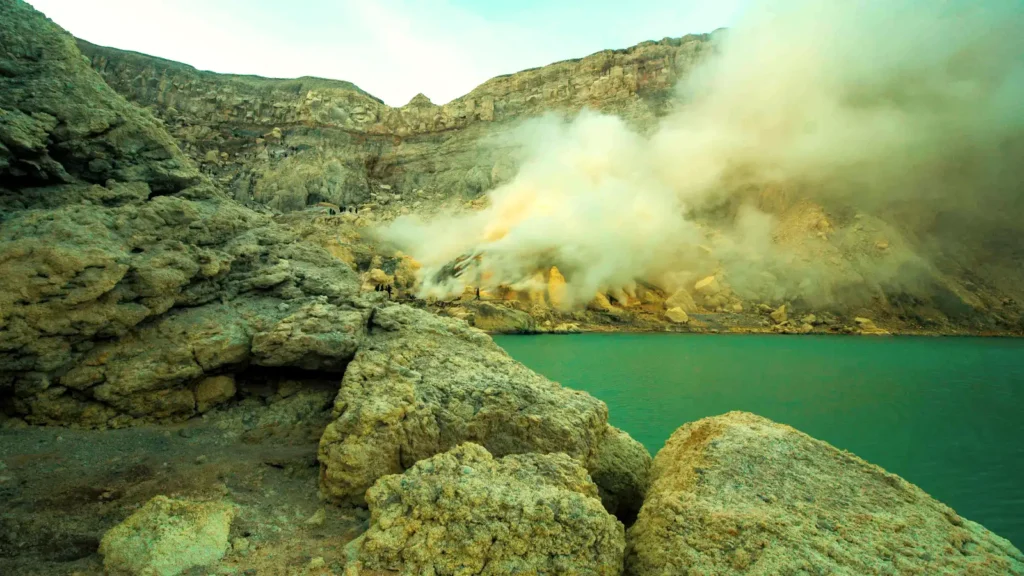
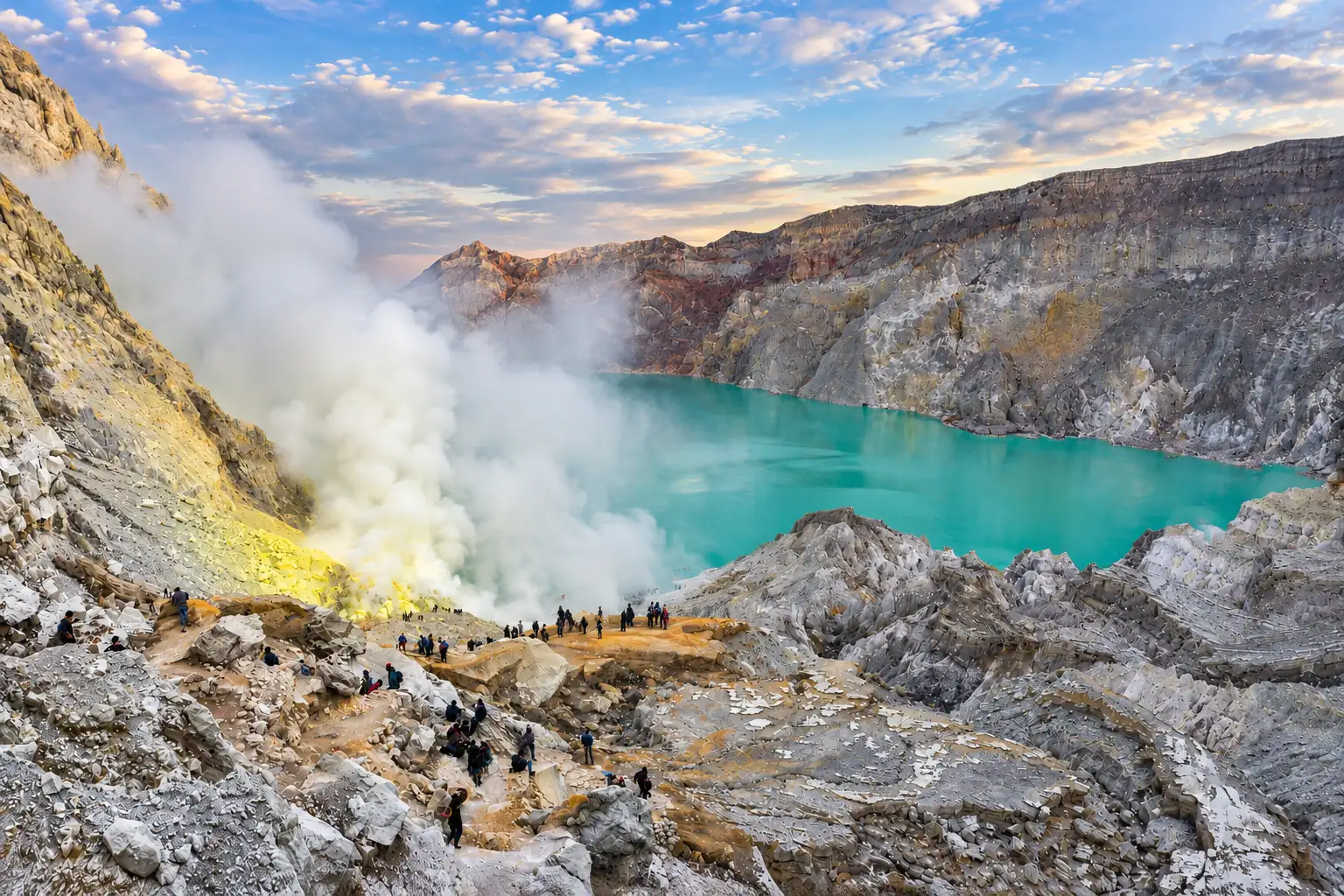
Beyond the logistical updates, understanding the local context enriches your Ijen Crater experience. The mountain isn’t just a tourist attraction; it’s a workplace for traditional sulfur miners. You’ll encounter them carrying heavy loads of sulfur up the crater rim and down to the processing facilities. Their resilience is remarkable, and respecting their presence and work environment is essential.
The crisp, biting wind at 3°C on the trail is a stark contrast to the tropical warmth of the lowlands. The distinct scent of sulfur becomes more potent as you approach the crater, a constant reminder of the active volcanic landscape. Stopping at a local warung (small local eatery) for a hot coffee or instant noodles after your descent provides an authentic taste of local life and much-needed warmth. Observing the sun gradually illuminate the crater, revealing the unreal turquoise of the lake, is a moment that transcends mere sightseeing.
For the best Ijen Crater condition today regarding visibility, aim for the dry season (April to October). During these months, rain is less frequent, offering clearer skies for stargazing and better chances of witnessing the blue fire, followed by an unobstructed sunrise view over the crater lake. During the rainy season, the trails can be slippery, and fog might obscure views, impacting the overall Ijen Crater open or closed status depending on severity.
Frequently Asked Questions About Ijen Crater
Is Ijen Crater currently open for visitors?
Yes, Ijen Crater is currently open for visitors. However, always check for the latest Ijen Crater update from official sources or your tour operator before planning your trip, as volcanic activity can change.
What is the best time to see the Blue Fire?
The Ijen blue fire is best seen between 02:00 AM and 04:00 AM, before sunrise. You need to start trekking from Paltuding at 02:00 AM to reach the crater floor in time.
Do I need a gas mask to visit Ijen Crater?
Yes, a gas mask is essential, especially if you plan to descend into the crater for the blue fire. Sulfur gas emissions can be strong and harmful without proper protection.
Is a Health Certificate (Surat Keterangan Sehat) mandatory for Ijen?
Yes, a Health Certificate (Surat Keterangan Sehat) is a mandatory requirement for all visitors entering Ijen Crater. Ensure you obtain this document before your arrival.
How difficult is the Ijen Crater trek?
The trek is moderately challenging. The path to the crater rim is steep and gravelly, while the descent into the crater is rugged. A good level of fitness is recommended, and suitable hiking shoes are a must.
What should I bring for the Ijen trek?
Essentials include warm layers, a headlamp, sturdy hiking shoes, a gas mask, water, snacks, and your Health Certificate. Trekking poles can also be very helpful.
Can I visit Ijen Crater without a guide?
While technically possible to enter Paltuding without a local guide, navigating the trail in the dark and descending into the crater is safer and more informative with an experienced local guide. Guides also provide essential safety advice and gas masks.
Conclusion
Visiting Ijen Crater remains a truly remarkable experience for travelers seeking natural wonders and a unique cultural encounter. The latest Ijen Crater update confirms its accessibility, provided visitors adhere to the necessary safety protocols and entry requirements, including the mandatory Health Certificate. By planning carefully, understanding the logistics, and respecting the environment and its local workers, you can ensure a memorable and safe journey to witness the extraordinary blue flames and the mesmerizing turquoise crater lake of Mount Ijen.