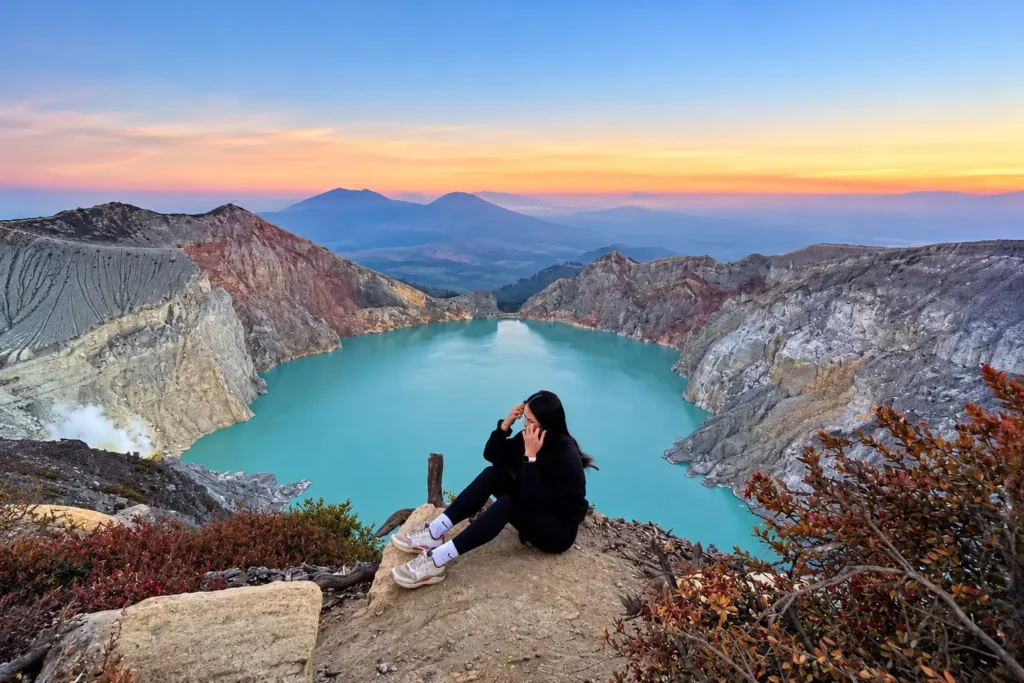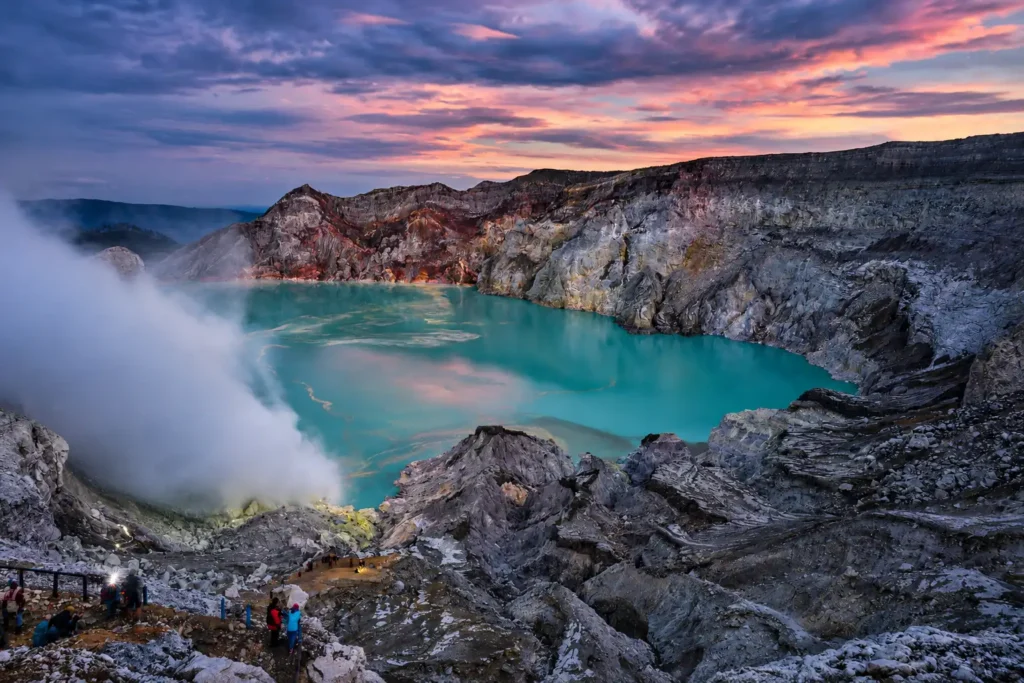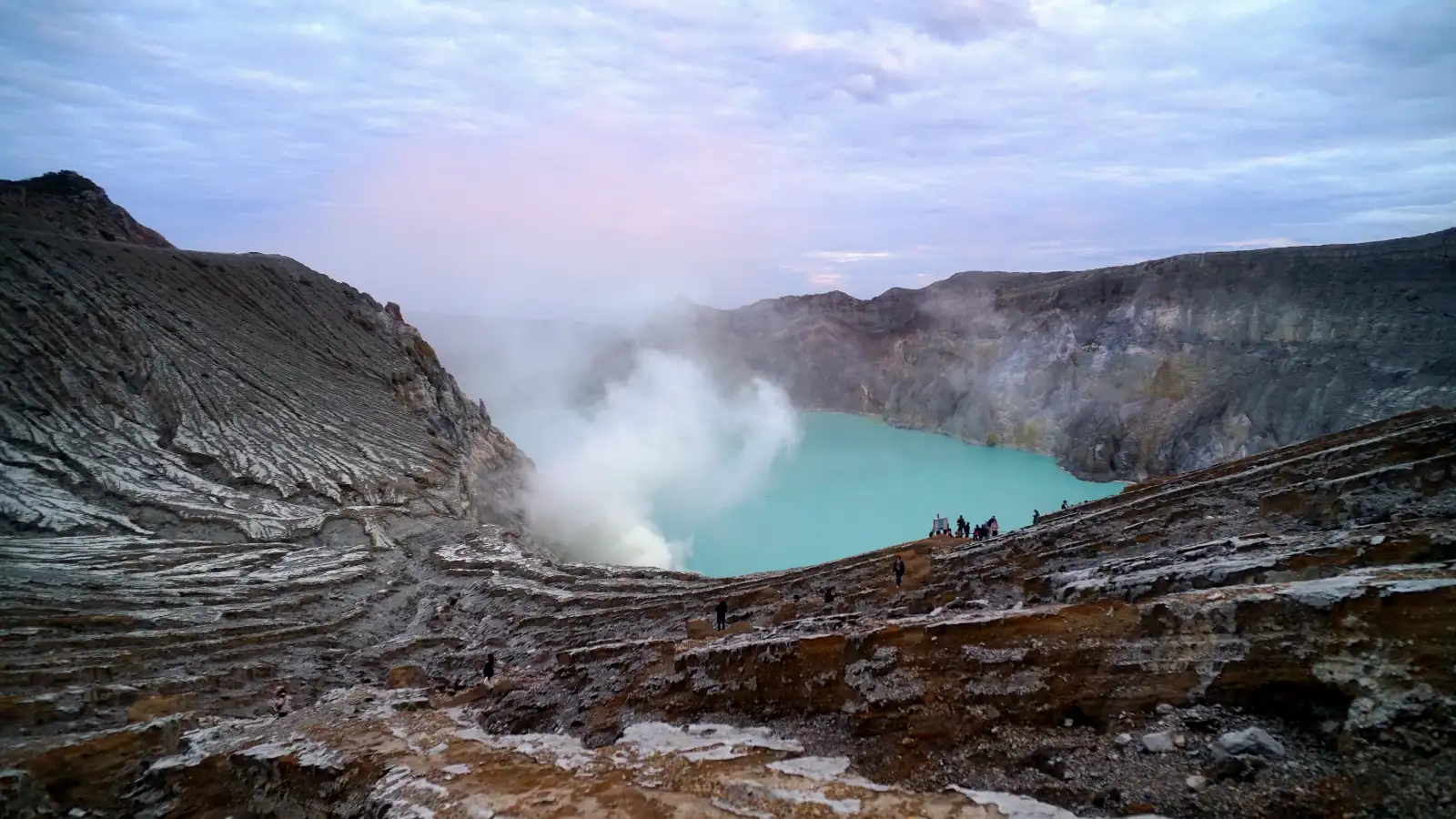
Kawah Ijen, also known as Ijen Crater, is one of East Java’s most remarkable volcanic destinations. Located in the Banyuwangi and Bondowoso region, this high-altitude volcanic landscape is famous for its turquoise crater lake, dramatic sunrise views, sulfur mining activity, and extraordinary blue fire phenomenon. This Ijen Crater Travel Guide explains how to reach the mountain, what to expect during the trek, when to visit, and how to prepare for a safe and memorable journey.
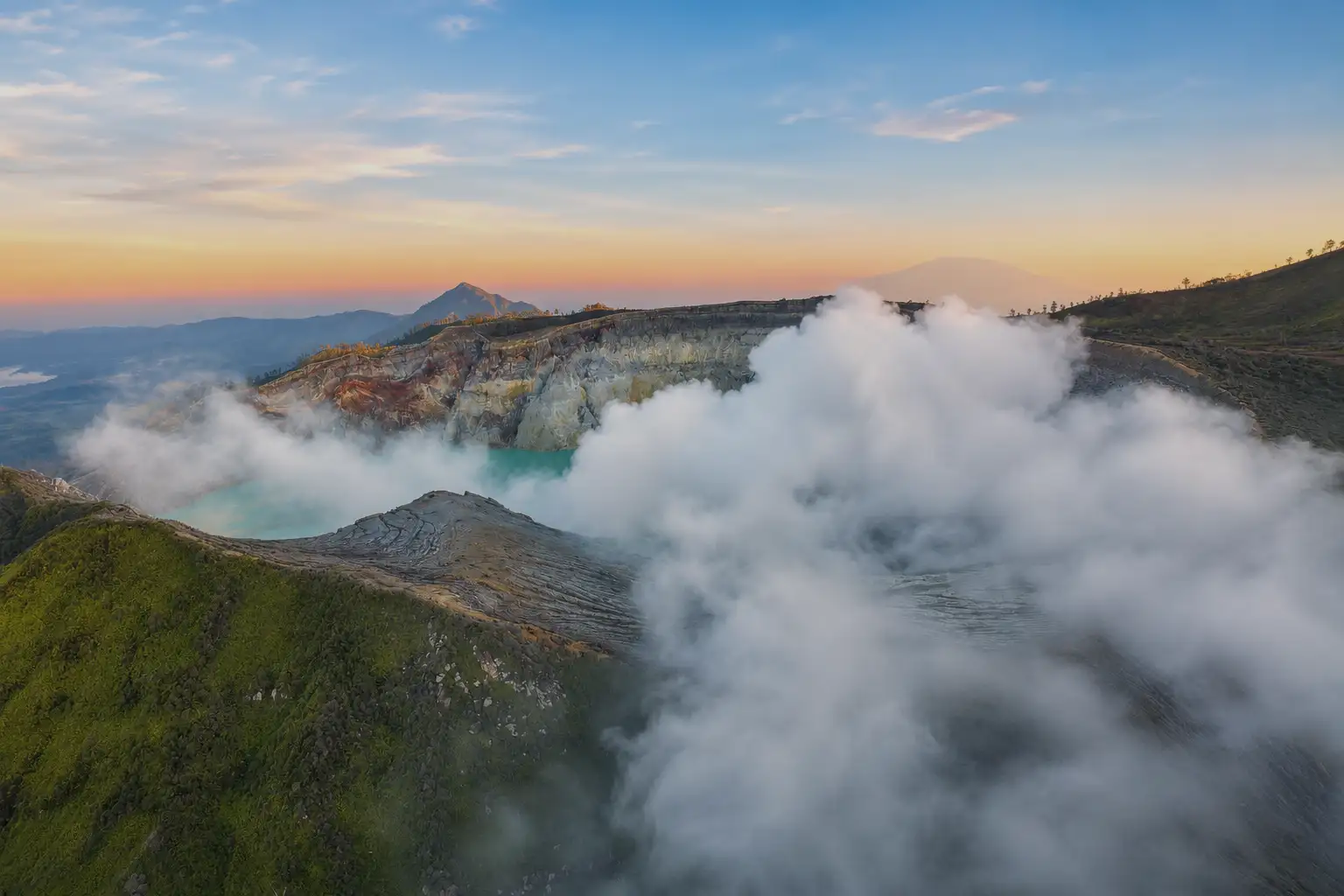
Table of Contents
- Destination Overview
- How to Get to Ijen Crater
- Best Time to Visit Ijen Crater
- Main Attractions and Things to Do
- Travel Tips and Preparation
- Frequently Asked Questions
- Related Travel Guides
- Tour Recommendation
Destination Overview
Ijen Crater is part of a volcanic complex in East Java, Indonesia. Its distinctive landscape combines steep volcanic slopes, a large acidic crater lake, sulfur deposits, and panoramic mountain scenery. The destination is especially popular with travelers seeking an early-morning trekking experience and the opportunity to witness the famous blue fire phenomenon under suitable conditions.
Quick Facts About Ijen Crater
| Destination | Kawah Ijen / Ijen Crater |
|---|---|
| Region | Banyuwangi and Bondowoso, East Java, Indonesia |
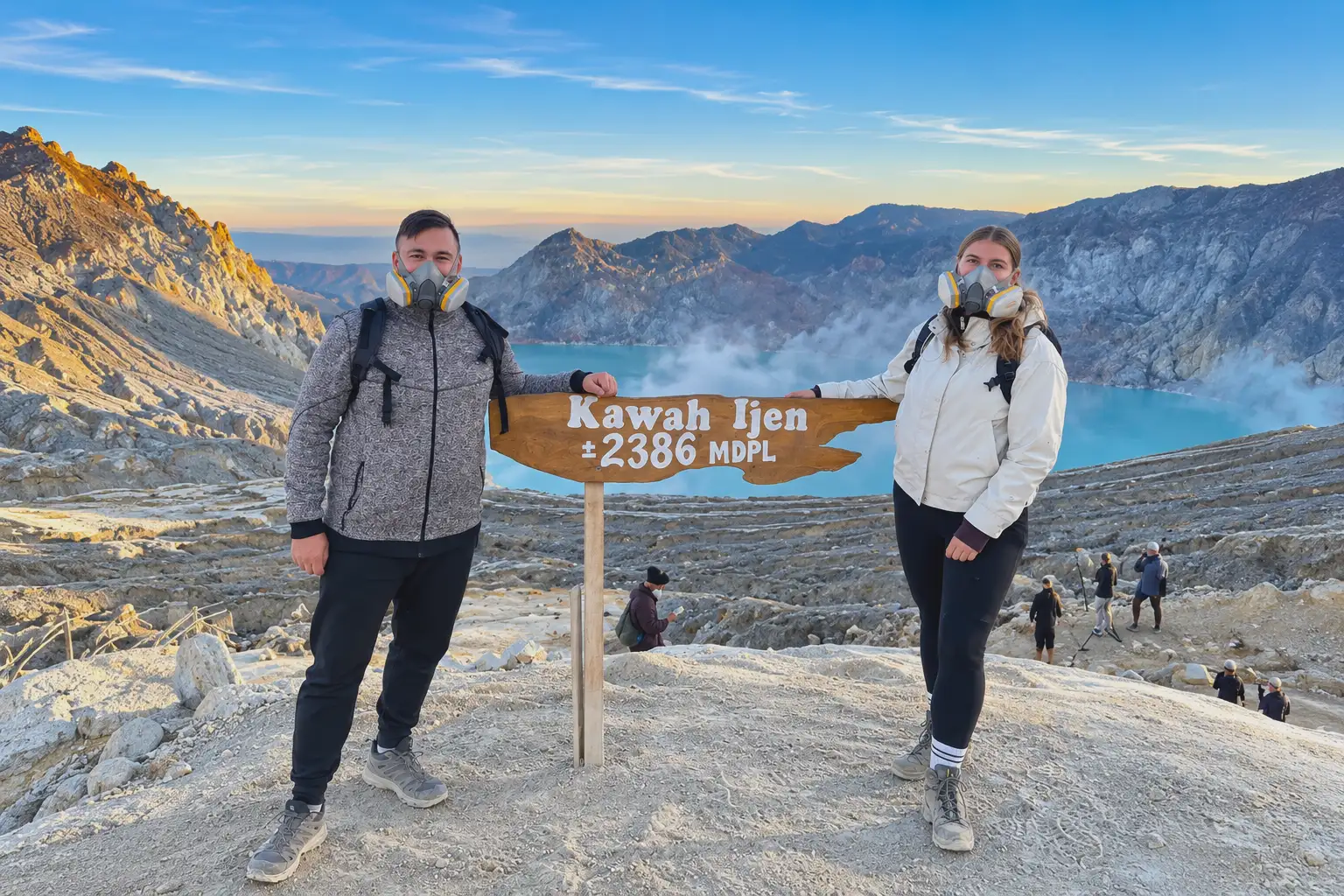
| Crater Rim Elevation | Approximately 2,386 meters above sea level |
| Crater Lake | Turquoise acidic volcanic lake |
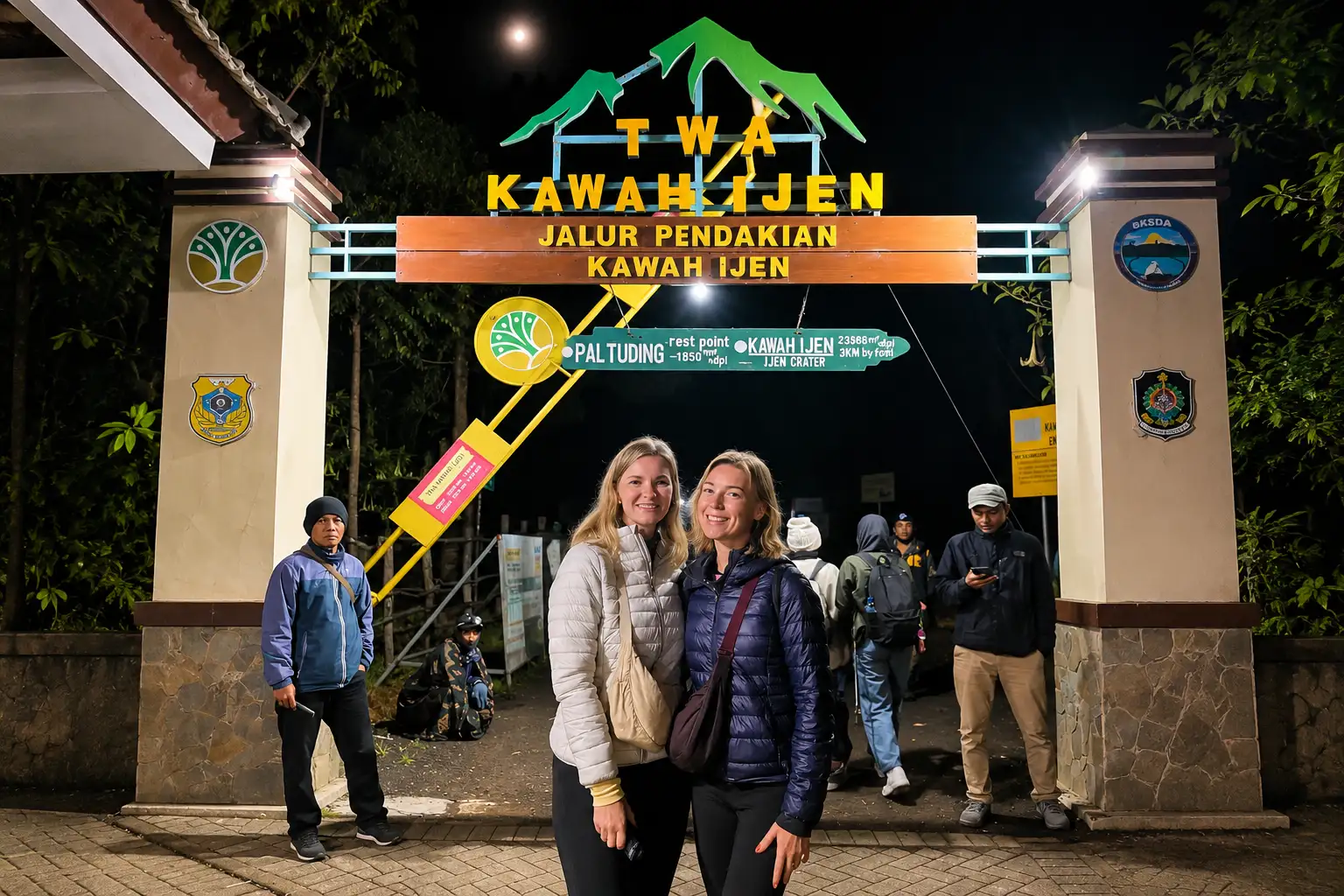
| Main Starting Point | Paltuding |
| Trekking Distance | Approximately 3 km one way from Paltuding to the crater rim |
| Main Attractions | Blue fire, sunrise, crater lake, sulfur mining, mountain scenery |
| Destination Type | Volcanic trekking and nature tourism |
For more geological and destination information, read our Ijen Crater Facts guide.
How to Get to Ijen Crater
Most visitors access Ijen Crater through Banyuwangi. The journey normally involves reaching Banyuwangi first, continuing to the Paltuding entrance, and beginning the trek from there.
From Banyuwangi
Banyuwangi is the most convenient base for visiting Ijen. Travelers can arrive by train, bus, or plane and continue by private vehicle or arranged transportation to Paltuding. The mountain journey takes additional time, so plan your departure according to the official entrance schedule and your tour arrangements.
From Bali
Travelers coming from Bali can cross the Bali Strait by ferry between Gilimanuk and Ketapang, then continue overland to Banyuwangi and Paltuding. Allow sufficient time for the ferry crossing, road travel, and rest before trekking.
For a detailed route explanation, see How to Travel from Bali to Ijen Crater Safely.
From Surabaya
Surabaya offers access to Banyuwangi by train, road transportation, and domestic flights. Travelers should consider journey duration, arrival time, and the need for adequate rest before starting the mountain trek.
Join an Organized Tour
An organized trip can simplify transportation, pickup coordination, and local assistance. Travelers staying in Bali can explore our Ijen Crater Tour from Bali.
Best Time to Visit Ijen Crater
Ijen Crater can be visited during different seasons, but weather conditions strongly influence visibility, trekking comfort, and the overall experience. Clear skies may provide better sunrise views, while rain, fog, or strong winds can reduce visibility and make the trail more challenging.
Dry Season
The dry season, generally around May to October, often offers more favorable trekking conditions. However, mountain weather remains unpredictable, and clear views are never guaranteed.
Rainy Season
The rainy season, generally around November to April, may bring wet trails, reduced visibility, and changing weather. Visitors should prepare suitable rain protection and follow local guidance regarding trail conditions.
Blue Fire and Sunrise
The blue fire phenomenon is best observed in darkness when conditions permit. Sunrise provides a different experience, revealing the crater lake and surrounding volcanic landscape as daylight increases. Neither blue fire visibility nor sunrise conditions can be guaranteed.
Read our detailed Best Time to Visit Ijen Crater guide for seasonal planning.
Main Attractions and Things to Do
1. Trek to the Ijen Crater Rim
The main trekking route begins at Paltuding and climbs toward the crater rim. The trail includes sustained uphill sections and can feel demanding because of the elevation, darkness, and weather. Walking pace and trekking duration vary between visitors.
2. Experience the Blue Fire Phenomenon
Ijen is internationally known for its blue fire, produced when sulfur-rich volcanic gases ignite and burn with a blue appearance. It is not blue lava. Visibility depends on darkness, weather, volcanic activity, and access restrictions.
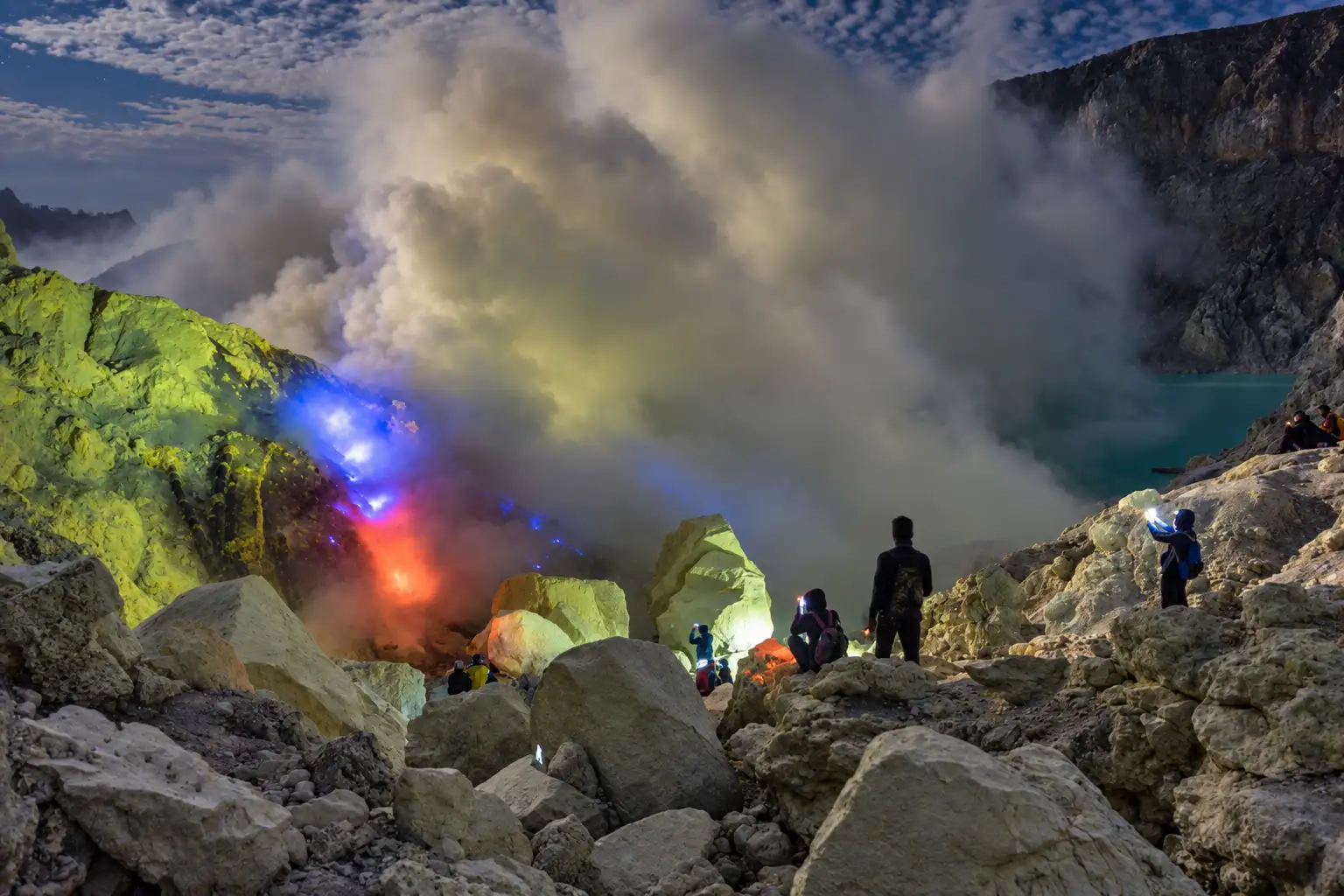
Learn more in our article Ijen Blue Fire Explained.
3. Watch the Sunrise and Explore the Crater Rim
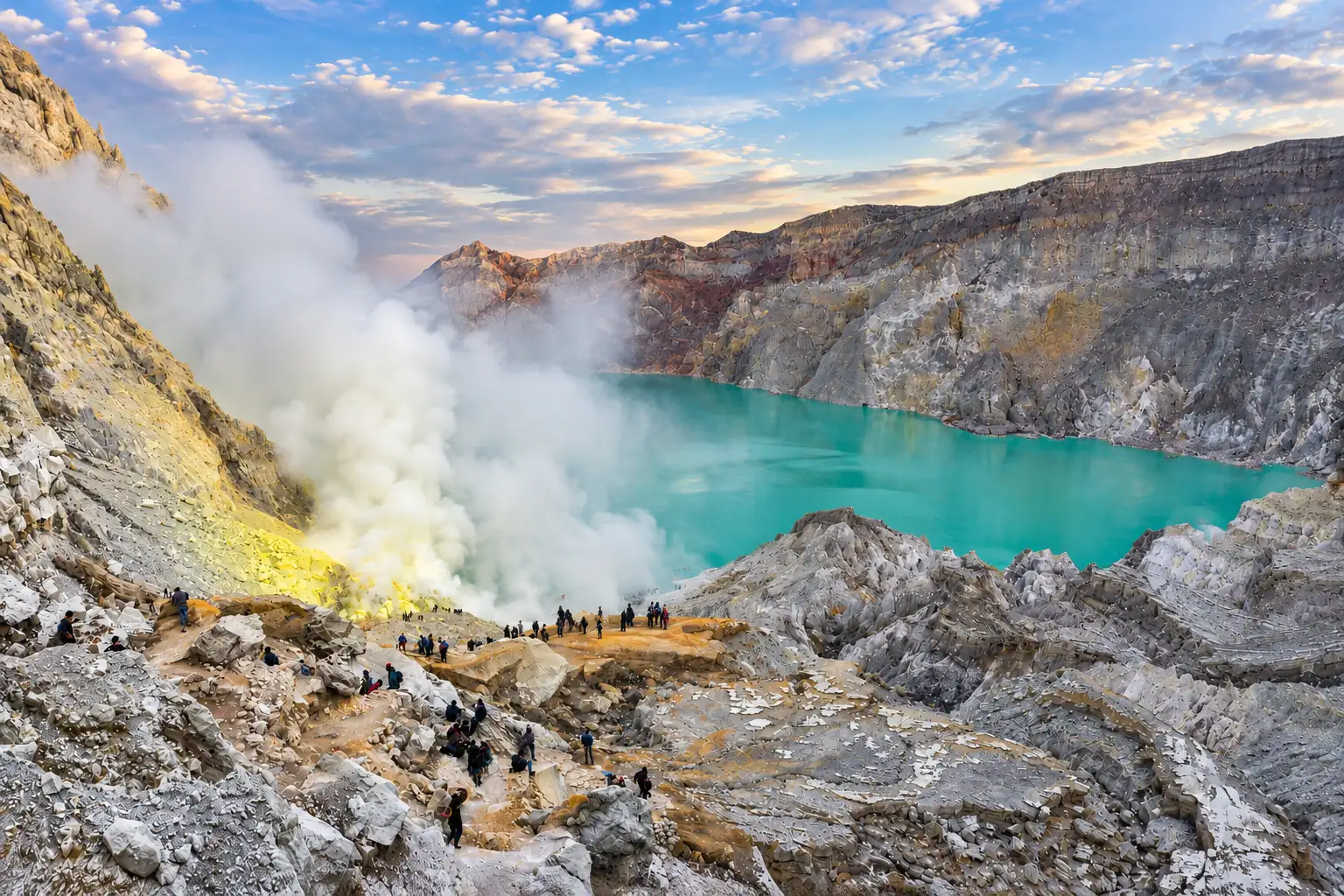
As daylight arrives, the crater lake and surrounding volcanic walls become visible. The changing light creates a dramatic landscape for observation and photography from permitted viewpoints.
4. Observe Traditional Sulfur Mining
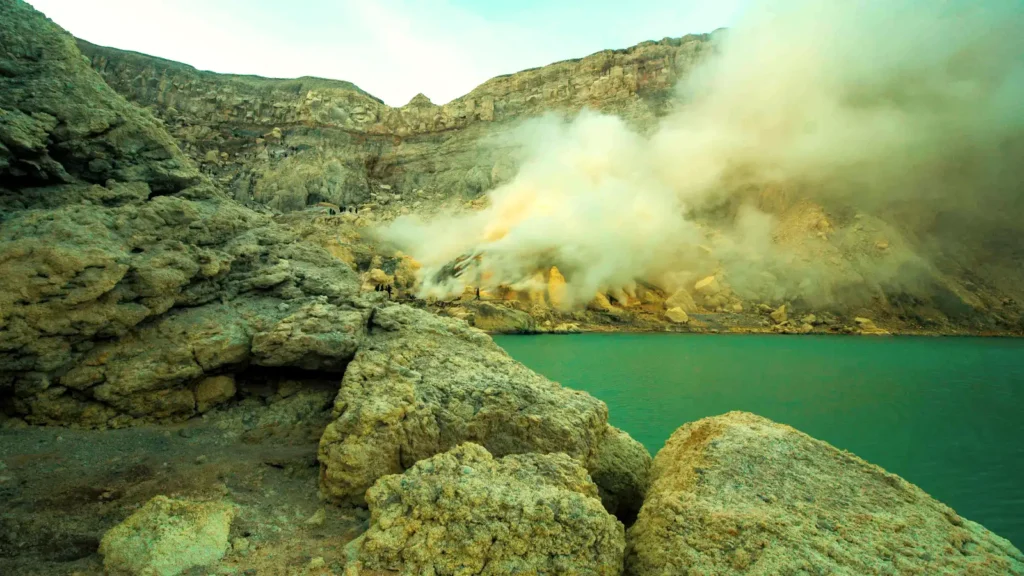
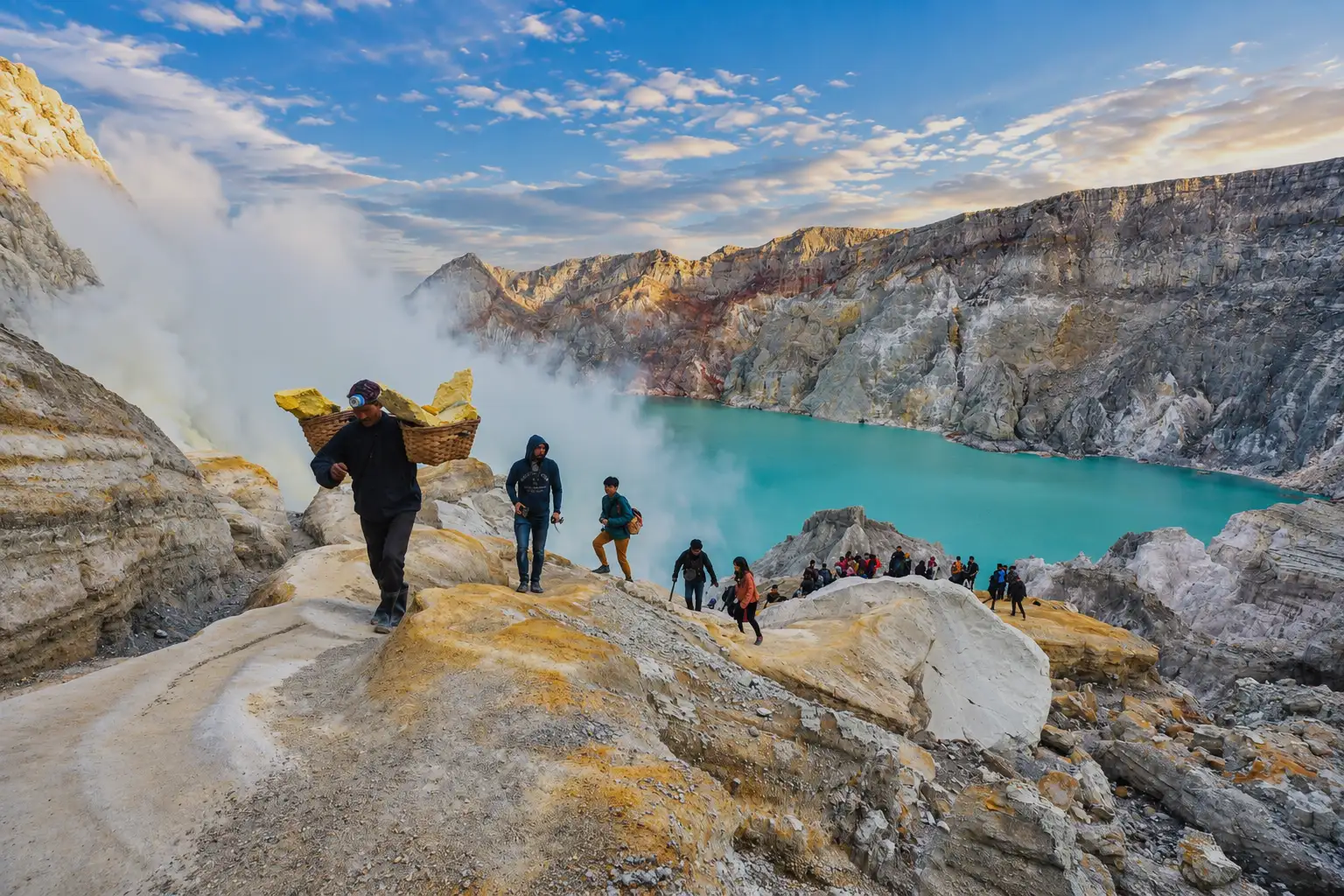
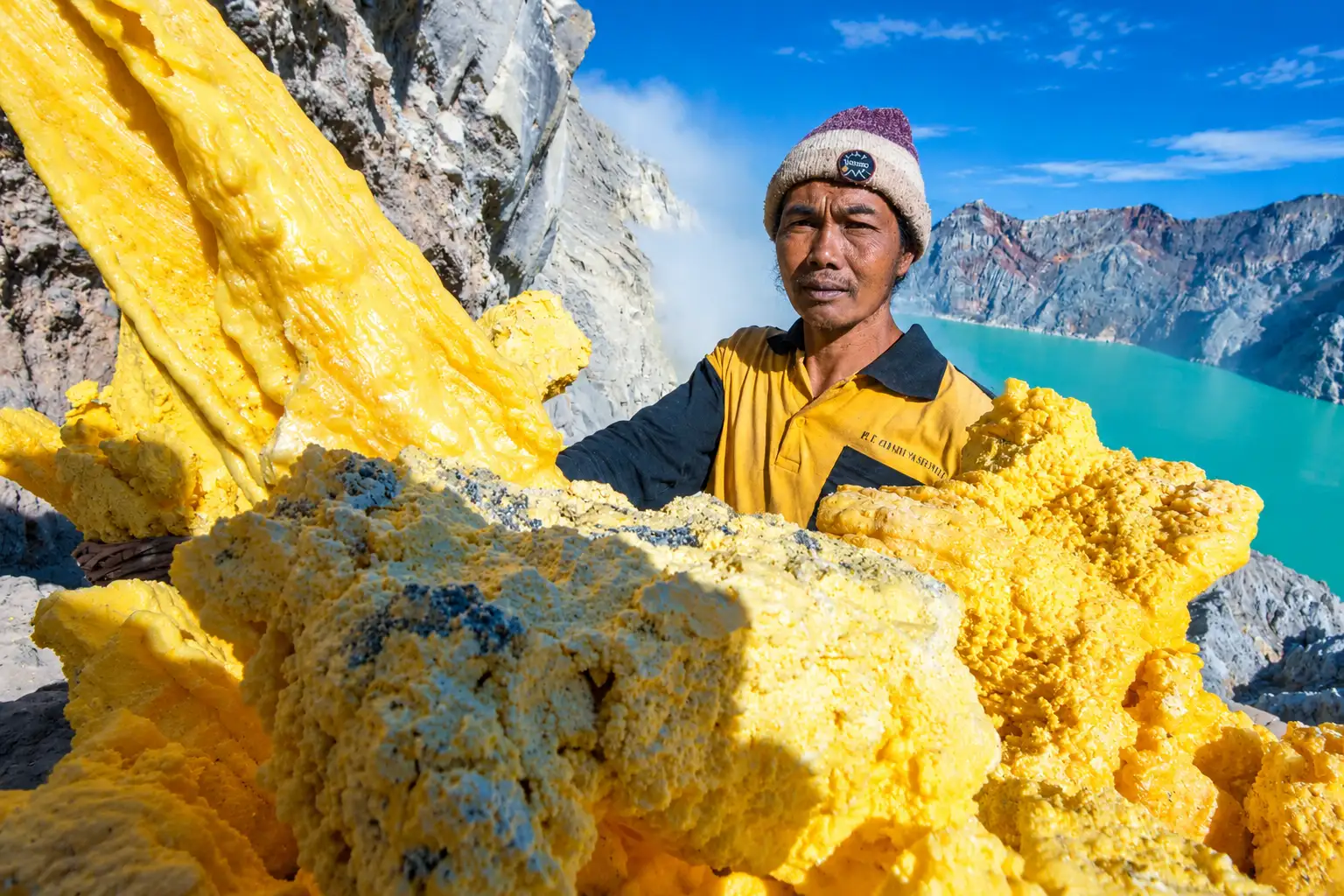
Sulfur mining is part of Ijen’s working landscape and local history. Visitors may see miners carrying sulfur along the mountain route. Observe respectfully, maintain distance, and never interfere with their work or enter restricted mining areas.
5. Appreciate the Turquoise Crater Lake
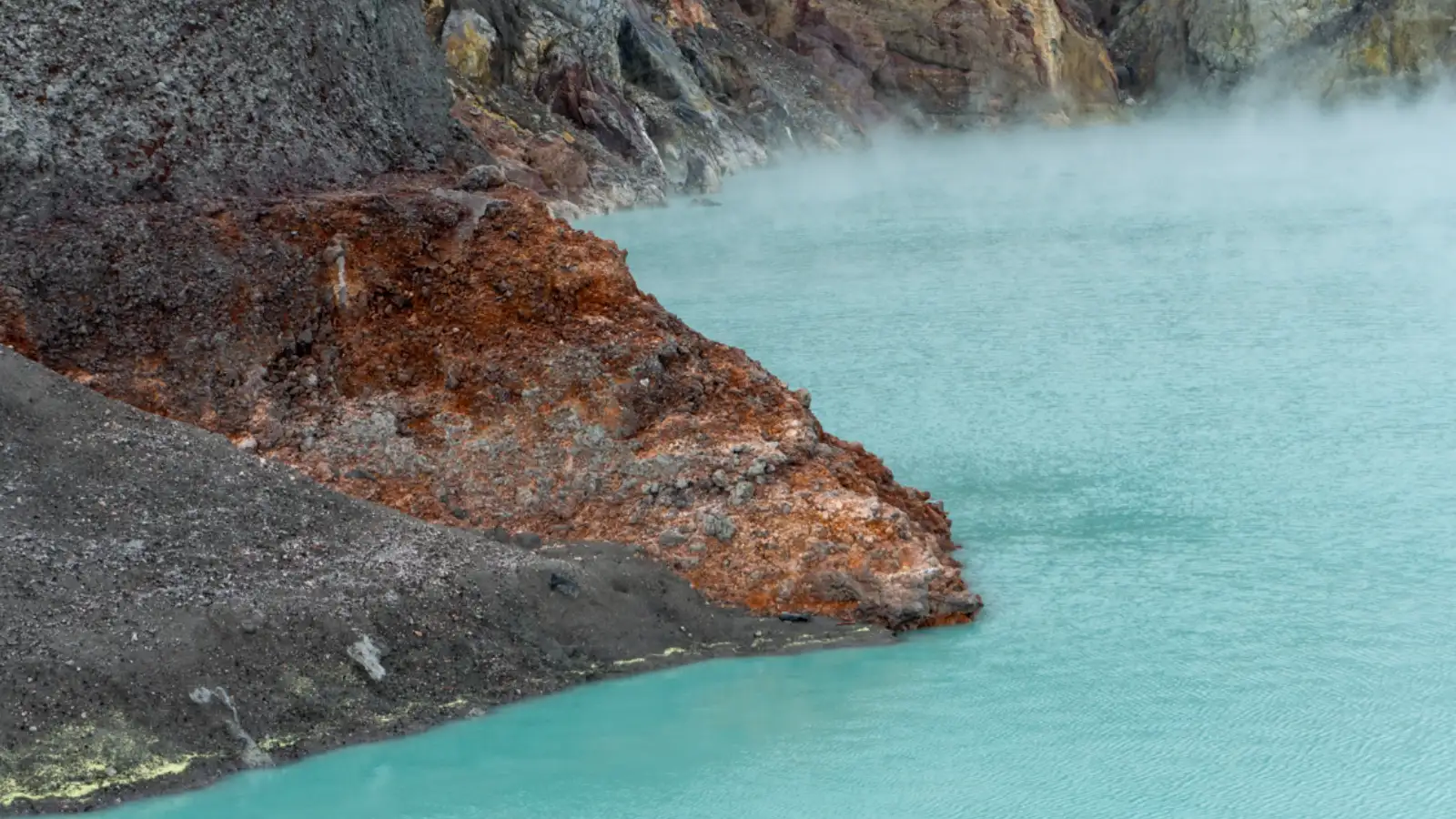
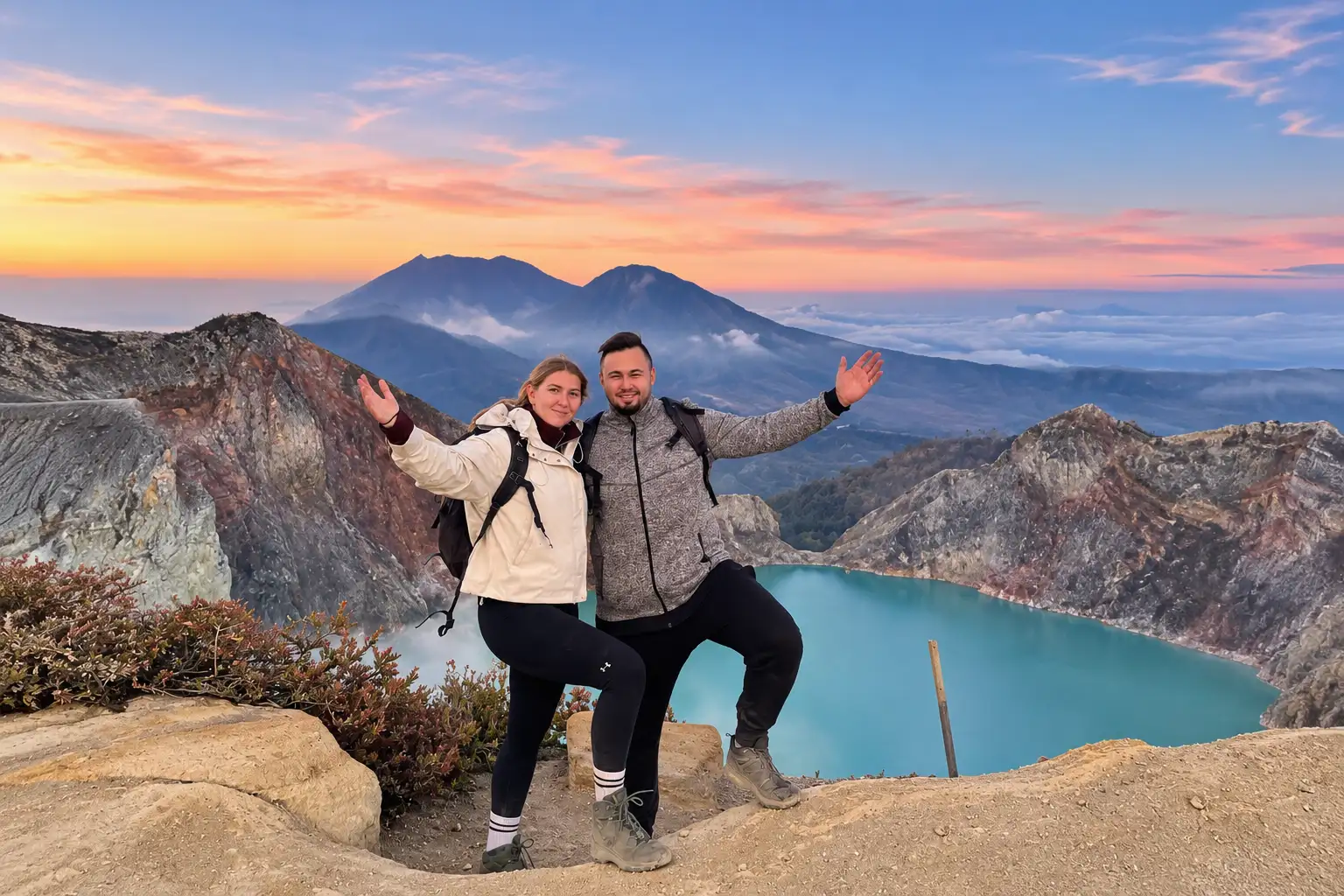
The crater lake is one of Ijen’s most recognizable natural features. Its striking color is associated with its acidic volcanic water and surrounding mineral landscape. Visitors must remain within designated safe areas and should never enter the lake.
6. Explore the Wider Volcanic Landscape
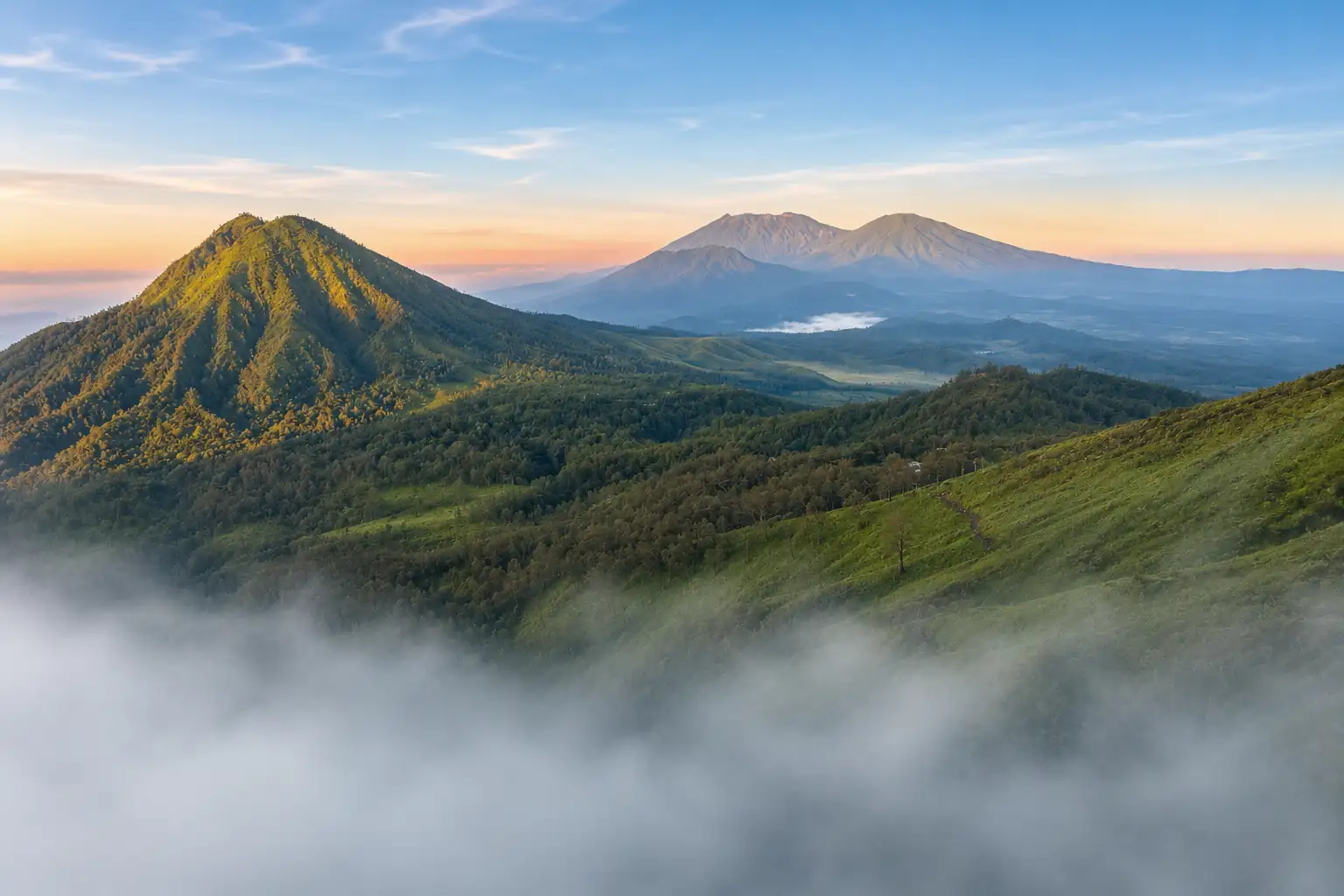
The mountain scenery around Ijen offers views of ridges, valleys, and neighboring volcanic terrain. Mount Raung may be visible from certain viewpoints when weather and visibility are favorable.
Travel Tips and Preparation
Prepare Suitable Trekking Equipment
Temperatures at the mountain can feel cold before sunrise, while the uphill trek may become physically demanding. Prepare clothing and equipment suitable for changing conditions.
- Warm layers and a wind-resistant jacket.
- Comfortable trekking shoes with reliable grip.
- Headlamp or suitable lighting for darkness.
- Water and appropriate snacks.
- Rain protection when weather conditions require it.
- Personal medication and essential supplies.
- Eye protection and appropriate respiratory protection when advised by official authorities.
Understand the Mountain Conditions
Ijen is a high-altitude volcanic destination, not an ordinary sightseeing stop. Visitors should consider their physical condition, follow official health requirements, and seek medical advice if they have relevant medical concerns before attempting the trek.
Take Volcanic Gas Safety Seriously
Volcanic gases can be hazardous. Ordinary cloth or surgical masks do not provide reliable protection against dangerous volcanic gases. Follow official instructions, stay away from gas-affected areas, and leave immediately when directed by authorities or guides.
Follow Access Rules and Official Information
Entrance schedules, health requirements, weather restrictions, and access to particular areas may change. Check the latest information before your visit through the official Kawah Ijen visitor portal.
For temperature and clothing preparation, see our Ijen Crater Temperature Guide. Visitors interested in photography can also read Ijen Crater Photography Tips.
Frequently Asked Questions
Where is Ijen Crater located?
Ijen Crater is located in East Java, Indonesia, within the Banyuwangi and Bondowoso region.
How difficult is the Ijen Crater trek?
The trek involves a sustained uphill walk and can be physically demanding. Difficulty depends on fitness, pace, altitude, weather, and trail conditions.
How long does it take to hike to Ijen Crater?
The uphill trek from Paltuding commonly takes around 1.5 to 2.5 hours for many visitors, but individual times vary. Allow additional time for rest, weather, and the return journey.
Can visitors see the blue fire at Ijen?
Blue fire may be visible in darkness when conditions permit. Its visibility is not guaranteed, and access to the crater interior may be restricted for safety reasons.
Can visitors descend into the crater?
Access to the crater interior depends on current safety conditions and official restrictions. Visitors must never descend independently or enter closed areas.
When is the best season to visit Ijen?
The dry season often offers more favorable trekking conditions, but weather at the mountain can change quickly throughout the year.
What should visitors bring to Ijen Crater?
Bring warm clothing, trekking shoes, lighting, water, suitable rain protection, and personal essentials. Follow official equipment and safety recommendations.
Is a health certificate required to visit Ijen?
Health documentation and visitor eligibility requirements may apply. Check the latest official regulations and prepare any required medical documentation before traveling.
Related Travel Guides
Continue planning your journey with these useful Ijen travel resources:
- Ijen Crater Facts
- Ijen Blue Fire Explained
- Best Time to Visit Ijen Crater
- Ijen Crater Temperature Guide
- Ijen Trolley Taxi Guide
- Ijen Crater Photography Guide
- How to Travel from Bali to Ijen Crater Safely
Plan Your Ijen Crater Adventure
Exploring Ijen Crater is an unforgettable opportunity to experience East Java’s volcanic scenery, mountain trekking, and distinctive natural phenomena. Proper preparation, reliable transportation, and respect for local safety instructions will help make your visit more comfortable and responsible.
If you are traveling from Bali and prefer organized transportation and local assistance, explore our Ijen Crater Tour from Bali and choose an itinerary that suits your travel schedule.
Always check current access conditions and official visitor requirements before starting your journey.