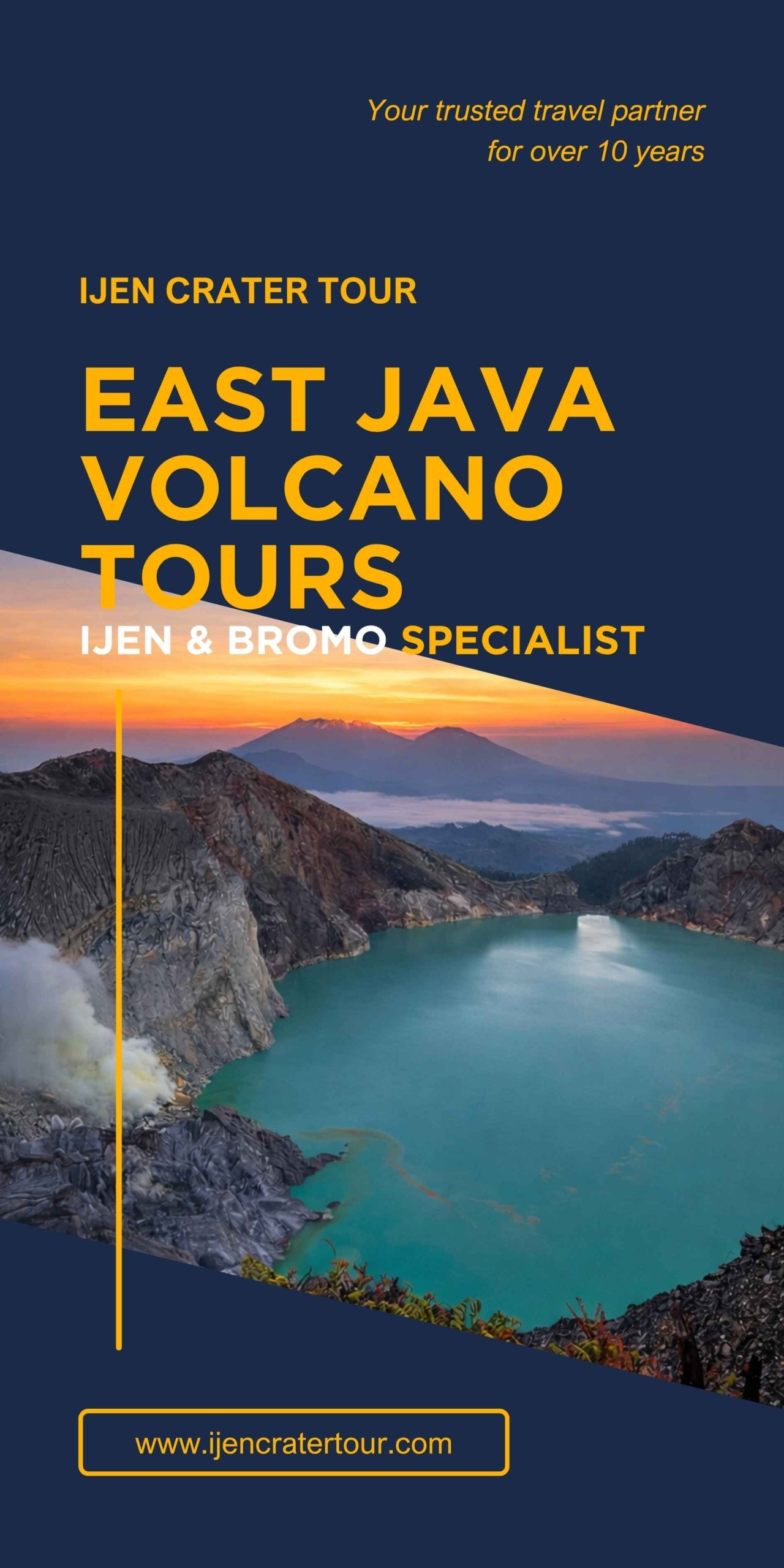
East Java Volcano Tours – Ijen & Bromo Specialist
24 Maret 2026 7x Ijen Crater Travel Guide
How Difficult Is the Ijen Crater Hike? Complete Guide for Beginners (2026)
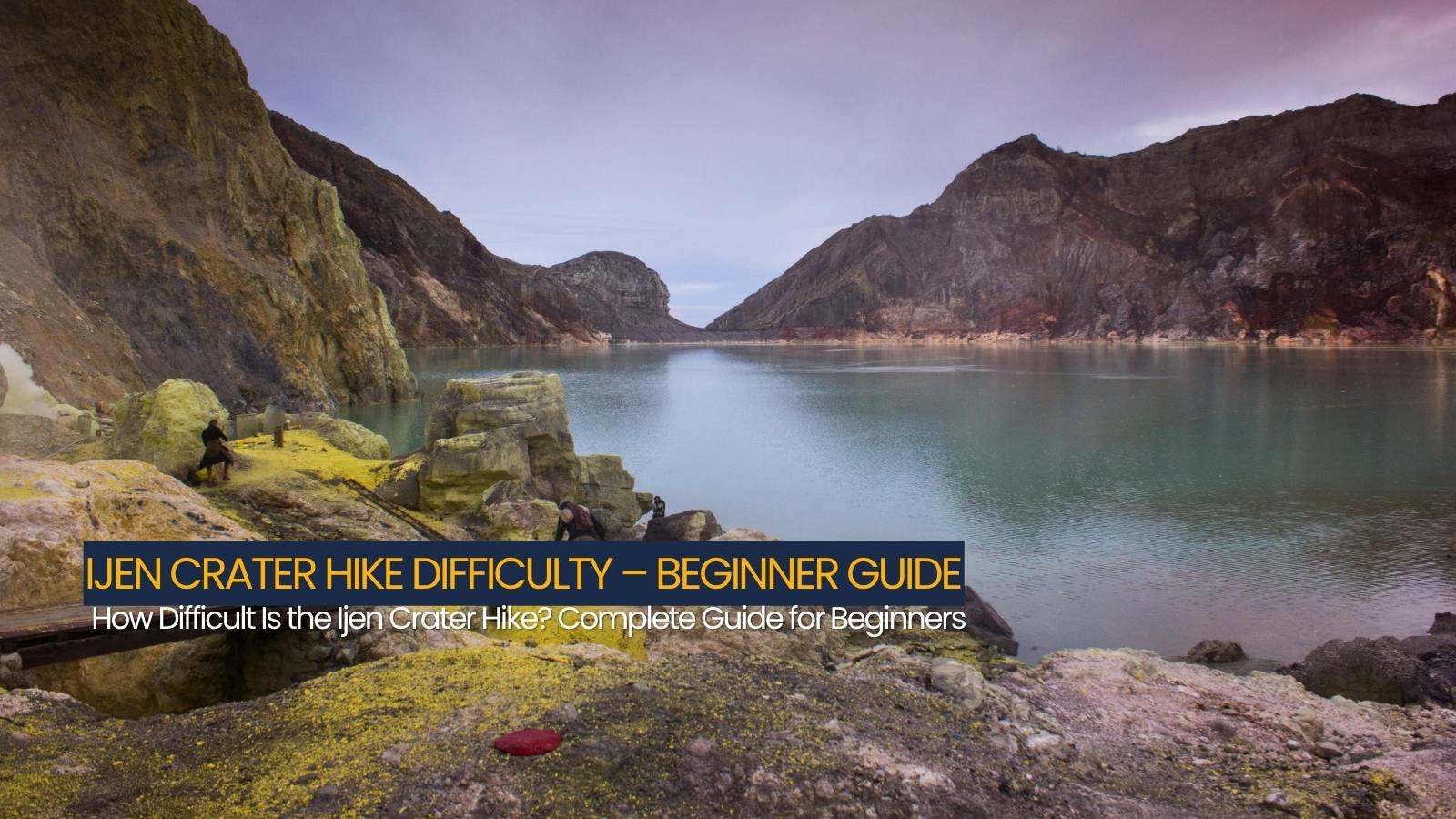 Introduction: Is the Ijen Crater Hike Really Difficult?
One of the most common questions travelers ask before visiting Ijen Crater is simple but important:
The short answer is:
👉 The Ijen Crater hike is moderate, not extreme — but it is not effortless either.
This is not a technical climb. You don’t need ropes, climbing experience, or advanced fitness. However, the challenge comes from a combination of factors that many travelers underestimate, especially because the hike begins in the middle of the night.
Understanding the real difficulty level — beyond generic answers — is essential if you want to enjoy the experience rather than struggle through it.
This guide will walk you through everything you need to know, from terrain and physical demands to safety, preparation, and real-world expectations.
Overview of the Ijen Crater Hike
Before diving into difficulty, let’s break down the basics of the hike.
- Distance: Approximately 3 kilometers (one way)
- Elevation gain: Gradual but consistent incline
- Hiking duration: 1.5 to 2 hours to reach the crater
- Start time: Around midnight
- Difficulty level: Moderate
The trail itself is wide and clearly defined, often used by local miners and visitors. However, what makes this hike challenging is not the terrain alone — it’s the combination of timing, environment, and conditions.
What Makes the Ijen Crater Hike Challenging?
Many people assume the hike is easy because it is relatively short. In reality, several factors contribute to the overall difficulty.
1. Continuous Incline
The trail is not flat. It is a steady uphill climb for most of the journey.
While there are no technical sections, the incline can feel demanding, especially for those who are not used to hiking.
The first half of the trek is usually the most physically challenging, as your body is still adjusting to the pace and elevation.
2. Night Trekking Conditions
Unlike most hikes, Ijen begins in complete darkness.
You will rely on:
- Headlamp or flashlight
- Limited visibility
- Awareness of footing
This adds both physical and mental challenge, as you need to stay focused while navigating the trail.
3. Cold Temperature
At night, temperatures can drop to around 5–10°C.
For many travelers, especially those coming from tropical climates, this can feel extremely cold.
Without proper clothing, the cold can:
- Reduce stamina
- Make the hike uncomfortable
- Increase fatigue
4. Sulfur Gas Exposure
As you approach the crater, sulfur gas becomes a major factor.
This is one of the most unique aspects of the hike — and also one of the most challenging.
The gas can:
- Irritate eyes and throat
- Causes shortness of breath
- Reduce visibility
This is why gas masks are essential.
5. Early Start Time (Midnight Departure)
Your body is naturally not used to being active at midnight.
Lack of sleep can affect:
- Energy levels
- Focus
- Physical endurance
This is often one of the most underestimated challenges.
Is the Ijen Crater Hike Suitable for Beginners?
Yes — and this is important.
The hike is beginner-friendly, as long as you have:
- Basic physical fitness
- Proper preparation
- The right mindset
You do not need to be an athlete or experienced hiker.
However, being unprepared can turn a manageable hike into a difficult one.
Real Difficulty Level: Honest Assessment
Let’s break it down realistically.
For:
- Active individuals → Easy to Moderate
- Average travelers → Moderate
- Completely inactive individuals → Challenging
The key point is this:
👉 The hike is not dangerous, but it can feel tough if you are unprepared.
Step-by-Step Breakdown of the Hiking Experience
Understanding the journey in stages helps set realistic expectations.
Stage 1: Basecamp to Midpoint
This is where the hike begins.
- Gradual incline
- Wide path
- Cold temperature
This section feels manageable but can be tiring due to continuous uphill movement.
Stage 2: Midpoint to Crater Rim
This is the most demanding part.
- Steeper incline
- Reduced energy
- Thinner air
You will need to pace yourself and take short breaks if necessary.
Stage 3: Descent into the Crater (Optional)
To see the blue fire up close, you must descend into the crater.
This section is:
- Steeper
- Rocky
- More exposed to gas
It requires more caution but is still manageable with guidance.
Stage 4: Sunrise & Descent Back
After sunrise, you descend back to basecamp.
This part is easier physically but requires attention due to:
- Loose gravel
- Downhill pressure on knees
How to Make the Hike Easier
Preparation is the biggest factor in determining your experience.
1. Pace Yourself
Do not rush. A steady pace is far more effective than trying to go fast.
2. Dress Properly
Layering is key:
- Warm jacket
- Comfortable clothing
- Gloves if needed
3. Use Proper Footwear
Hiking shoes with good grip will:
- Improve stability
- Reduce slipping risk
- Increase comfort
4. Stay Hydrated
Bring enough water and take small sips during the hike.
5. Follow Your Guide
A guide helps with:
- Navigation
- Safety
- Timing
👉 For a smoother experience, you can join a
👉 guided Ijen Crater tour with professional support
Fitness Preparation Before Your Trip
You don’t need intense training, but basic preparation helps.
Recommended:
- Light cardio (walking, jogging)
- Leg endurance exercises
- Practice walking uphill
Even simple preparation can make a big difference.
Common Mistakes That Make the Hike Harder
Many travelers struggle because of avoidable mistakes.
1. Underestimating the Cold
Result: discomfort and fatigue
2. Wearing Wrong Shoes
Result: slipping or sore feet
3. Starting Too Fast
Result: early exhaustion
4. Not Using a Guide
Result: confusion and safety risks
Safety Considerations During the Hike
Safety is an important part of the experience.
Gas Safety
Always wear a gas mask near the crater.
Trail Awareness
Watch your step, especially during descent.
Weather Awareness
Conditions can change quickly.
👉 To ensure safety, choose a
👉 trusted Ijen Crater tour with safety equipment and guide
Comparing Ijen with Other Popular Hikes
Compared to other volcano hikes:
- Easier than Mount Rinjani
- Easier than Mount Semeru
- Slightly similar to Bromo trekking
This makes Ijen a great choice for beginners.
Who Should Be Careful?
While most people can do the hike, certain groups should take extra care:
- People with respiratory issues
- Those sensitive to cold
- Individuals with low stamina
Consulting a doctor before the trip is recommended if needed.
Mental Challenge: The Hidden Factor
The mental aspect is often overlooked.
Hiking at night, in cold conditions, with limited visibility can feel intimidating.
Staying calm and focused is key.
Real Experience Insight
Most travelers report that:
- The first 30–45 minutes feel hardest
- The middle section tests endurance
- The final part feels rewarding
Once you reach the crater, the difficulty is instantly forgotten.
Is It Worth the Effort?
Absolutely.
The combination of:
- Blue fire
- Sunrise
- Unique landscape
Makes the effort completely worthwhile.
🚀 Make Your Hike Easier with the Right Tour
The easiest way to reduce difficulty is to choose the right support.
👉 Book here:
- 👉 Ijen Crater Tour Package (All Options)
- 👉 Ijen Crater Tour from Banyuwangi 1 Day
- 👉 Ijen Crater Tour from Bali All-Inclusive
Final Thoughts
The Ijen Crater hike is not about extreme difficulty — it’s about preparation.
With the right mindset, proper gear, and good planning, it becomes an achievable and incredibly rewarding experience.
👉 Prepare well. Start smart. Enjoy the journey.

Maybe you are interested in reading the following article:
Best Time to Visit Ijen Crater – Weather & Tips
Best Time to Visit Ijen Crater (2026 Complete Guide: Blue Fire, Weather, Crowds & Safety) Timing Is Everything at Ijen Crater Planning a visit to Ijen Crater is not just about choosing a date — it is about choosing the right conditions, timing, and strategy to experience one of the rarest natural phenomena in the... read more
Ijen Crater Tour Guide 2026 – Routes, Price & Tips
Ultimate Ijen Crater Tour Guide (2026): Routes, Prices, Safety, Tips & How to Book Experience the Rare Blue Fire of Ijen Crater Before It Gets Fully Booked Ijen Crater is not just another volcano in Indonesia. It is one of the very few places on Earth where you can witness the rare blue fire phenomenon... read more
Ijen Blue Fire Explained: What It Is & How to See It (2026)
Ijen Blue Fire Explained: What It Is, Why It Happens & How to See It (2026 Guide) Introduction: The Rare Blue Fire Experience at Ijen Crater Among the many natural wonders in Indonesia, few are as extraordinary and mysterious as the blue fire of Ijen Crater. Unlike typical volcanic landscapes where glowing red lava dominates... read more

Contact Us
If you have any questions, please contact us.
-
Hotline
+6285185319904 -
Whatsapp
085185319904 -
Email
ijenexpeditiontourandtravel@gmail.com


No comment yet