East Java Volcano Tours – Ijen & Bromo Specialist
24 Maret 2026 4x Ijen Crater Travel Guide
Best Time to Visit Ijen Crater (2026 Complete Guide: Blue Fire, Weather, Crowds & Safety)
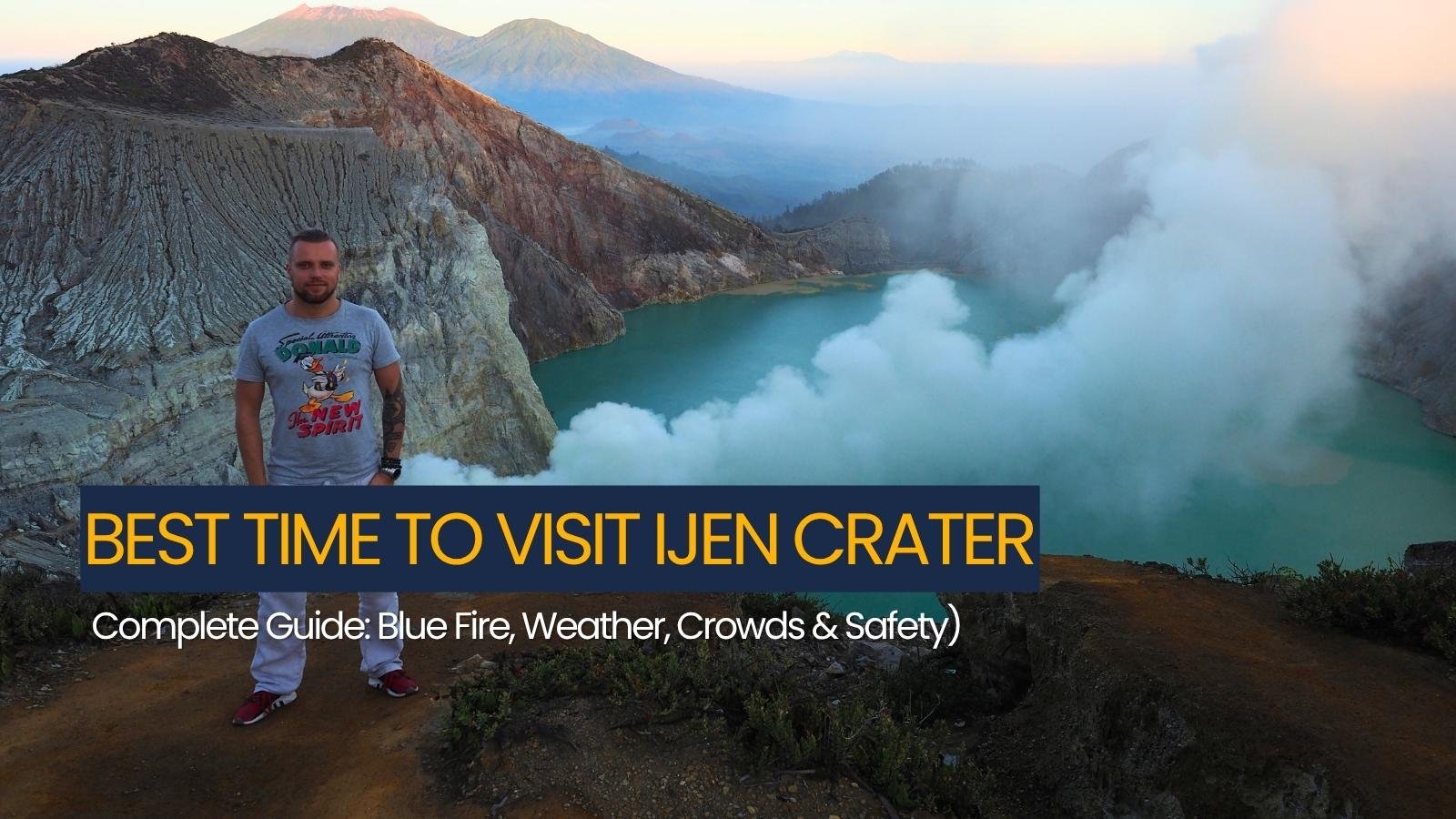
Timing Is Everything at Ijen Crater
Planning a visit to Ijen Crater is not just about choosing a date — it is about choosing the right conditions, timing, and strategy to experience one of the rarest natural phenomena in the world.
Unlike typical destinations, Ijen is highly sensitive to weather, volcanic conditions, and visitor regulations. A poorly timed visit can mean:
- Missing the blue fire
- Limited visibility at sunrise
- Slippery and unsafe trails
- Even restricted access
On the other hand, visiting at the right time can deliver one of the most unforgettable travel experiences in Indonesia.
This guide is designed to help you understand exactly when to visit Ijen Crater, based on real conditions, not just general advice.
Understanding Ijen Crater Conditions Before You Plan
Before choosing the best time to visit, it’s important to understand what makes Ijen different from other tourist destinations.
Four main factors determine your experience:
1. Blue Fire Visibility
The blue fire is the main attraction, but it is only visible in complete darkness. This means timing your visit is critical.
2. Weather Conditions
Rain, fog, and wind directly affect:
- Visibility
- Trail safety
- Gas concentration
3. Volcanic Activity
Ijen is an active volcano. Gas levels can fluctuate, and access to the crater may be restricted depending on conditions.
4. Visitor Volume
Crowds have increased significantly in recent years. Choosing the right day can dramatically affect your experience.
Best Time to Visit Ijen Crater (Overall Recommendation)
The best time to visit Ijen Crater is during the dry season, which typically runs from:
👉 April to October
During this period:
- The weather is more stable
- Trails are safer
- Visibility is clearer
- Blue fire conditions are optimal
Among these months, the peak optimal window is:
👉 May to September
This is when you get the highest chance of:
- Clear sky
- Minimal rain
- Strong blue fire visibility
- Perfect sunrise conditions
Why Dry Season Is the Best Time
Stable Weather Improves Visibility
Clear skies allow you to fully experience:
- The glowing blue fire
- The turquoise crater lake
- The sunrise panorama
Clouds and fog during the rainy season can completely block these views.
Safer Hiking Conditions
The trail to Ijen Crater includes steep sections that become slippery when wet.
During the dry season:
- Trails are more stable
- The risk of slipping is reduced
- Trekking becomes more comfortable
Better Blue Fire Experience
Blue fire visibility depends on:
- Darkness
- Gas intensity
- Wind conditions
Dry season typically offers:
- More stable gas flow
- Less interference from rain or wind
Blue Fire Timing: What Most Guides Don’t Tell You
The blue fire is not just about the month — it’s about the exact time of night.
Best Time to See Blue Fire
👉 02:00 AM – 04:30 AM
This is when:
- The environment is completely dark
- The flame appears strongest
- Crowds are still manageable
After sunrise begins, the blue fire becomes invisible.
Night Conditions: Why Timing Matters More Than You Think
Most travelers underestimate how important the night phase is.
You will start your journey around midnight, and the conditions during this time determine:
- How comfortable is your hike?
- Whether you reach the crater on time
- Whether you see the blue fire clearly
Cool temperatures, clear skies, and low wind create the best experience.
Rainy Season at Ijen: What You Need to Know
The rainy season typically runs from:
👉 November to March
While visiting is still possible, it comes with risks and limitations.
Challenges During Rainy Season
Rain affects the experience in several ways:
1. Slippery Trails
The path becomes muddy and dangerous, especially during descent.
2. Reduced Visibility
Fog and clouds can block:
- Blue fire
- Sunrise
- Lake view
3. Increased Risk of Closures
Authorities may restrict access due to:
- Safety concerns
- High gas levels
- Extreme weather
When Rainy Season Still Works
If you still plan to visit during this period:
- Choose an early morning with a good forecast
- Avoid heavy rain days
- Use a professional tour operator
👉 For better planning and flexible scheduling,
👉 Book your Ijen Crater tour package with updated conditions here
Best Day of the Week to Visit Ijen Crater
Timing your visit is not just about months — it’s also about crowd strategy.
Weekdays vs Weekends
Weekdays offer:
- Fewer crowds
- More peaceful experience
- Better photo opportunities
Weekends tend to be:
- More crowded
- Longer waiting time
- Less comfortable hiking
Avoid Public Holidays
National holidays and peak travel seasons can significantly increase visitor numbers.
This affects:
- Entry time
- Trekking comfort
- Overall experience
Peak Season vs Low Season Strategy
Peak Season (June – September)
Pros:
- Best weather
- Highest success rate for blue fire
Cons:
- More crowded
- Higher prices
- Limited availability
Low Season (April, May, October)
Pros:
- Less crowded
- More relaxed experience
Cons:
- Slightly less stable weather
Strategy Tip
👉 Best balance = May or September
You get:
- Good weather
- Moderate crowd
- Better availability
Sunrise Timing at Ijen Crater
Sunrise is the second highlight after blue fire.
Typical Sunrise Time
👉 Around 05:30 – 06:00 AM
Why Sunrise Matters
After seeing the blue fire, the sunrise reveals:
- The crater lake
- Volcanic landscape
- Surrounding mountains
This transition from darkness to light is one of the most powerful moments of the experience.
Gas Levels and Safety Timing
Gas levels at Ijen can vary throughout the day.
Important Insight
Early morning conditions are usually:
- More stable
- Safer for descent
However, gas direction can change depending on the wind.
Why Tour Timing Matters
Professional tour operators monitor:
- Gas levels
- Wind direction
- Access conditions
👉 For safety and updated access,
👉 Join a trusted Ijen Crater tour with a professional guide
Monthly Breakdown: When to Visit Ijen Crater
January – March
Rainy season peak
- High rain
- Limited visibility
- Not recommended
April
Transition month
- Weather improving
- Fewer crowds
May – June
Excellent conditions
- Clear sky
- Ideal trekking
July – August
Peak season
- Best weather
- Highest demand
September
Best balance
- Good weather
- Slightly less crowded
October
End of dry season
- Still good conditions
- Fewer tourists
November – December
The rain starts again
- Unpredictable weather
- Lower visibility
Common Mistakes Travelers Make
Many travelers miss the best experience due to simple mistakes.
1. Booking Last Minute
Result: No available slots
2. Ignoring Weather
Result: Poor visibility
3. Choosing the Wrong Season
Result: Slippery and uncomfortable hike
4. Going Without Planning
Result: Miss blue fire timing
Pro Strategy: How to Plan Perfect Timing
If you want the best possible experience:
- Choose the dry season (May–September)
- Book at least 3–7 days in advance
- Pick a weekday if possible
- Start early (midnight departure)
- Use a guided tour
Why Booking Timing Matters More in 2026
In recent years, regulations have changed.
Now:
- Visitor quotas are stricter
- Access is more controlled
- Demand is increasing
This means:
👉 Timing + booking = success or failure
When to Book Your Ijen Tour
Ideal Booking Time
👉 3–7 days before your trip
👉 1–2 weeks during peak season
Why Early Booking Matters
- Secure your slot
- Get a better price
- Avoid schedule conflict
👉 To lock your preferred date,
👉 Secure your Ijen Crater tour booking here
Real Experience Insight
From actual travel patterns, the best experience happens when:
- You arrive early at the crater
- You avoid peak crowd hours
- You have clear sky conditions
Travelers who follow this timing consistently report:
- Better blue fire visibility
- More comfortable hike
- More memorable experience
Final Recommendation: Best Time Summary
If you want the best experience possible:
👉 Visit between May and September
👉 Choose a weekday
👉 Start at midnight
👉 Book in advance
🚀 Book Your Ijen Crater Tour at the Right Time
Timing without action means nothing.
The best dates fill up quickly, especially during the dry season.
👉 Don’t risk missing your experience.
👉 Book here:
- 👉 Ijen Crater Tour Package (All Options)
- 👉 Ijen Crater Tour from Banyuwangi 1 Day
- 👉 Ijen Crater Tour from Bali All-Inclusive
Final Thoughts
Visiting Ijen Crater is not just about going — it’s about going at the right time.
With proper planning, the right timing, and the right tour, you can experience:
- The rare blue fire
- A breathtaking sunrise
- One of Indonesia’s most unique landscapes
Plan wisely, act early, and make your Ijen experience unforgettable.

Maybe you are interested in reading the following article:
Ijen Blue Fire Explained: What It Is & How to See It (2026)
Ijen Blue Fire Explained: What It Is, Why It Happens & How to See It (2026 Guide) Introduction: The Rare Blue Fire Experience at Ijen Crater Among the many natural wonders in Indonesia, few are as extraordinary and mysterious as the blue fire of Ijen Crater. Unlike typical volcanic landscapes where glowing red lava dominates... read more
Best Time to Visit Ijen Crater – Weather & Tips
Best Time to Visit Ijen Crater (2026 Complete Guide: Blue Fire, Weather, Crowds & Safety) Timing Is Everything at Ijen Crater Planning a visit to Ijen Crater is not just about choosing a date — it is about choosing the right conditions, timing, and strategy to experience one of the rarest natural phenomena in the... read more
Ijen Crater Tour Guide 2026 – Routes, Price & Tips
Ultimate Ijen Crater Tour Guide (2026): Routes, Prices, Safety, Tips & How to Book Experience the Rare Blue Fire of Ijen Crater Before It Gets Fully Booked Ijen Crater is not just another volcano in Indonesia. It is one of the very few places on Earth where you can witness the rare blue fire phenomenon... read more


Contact Us
If you have any questions, please contact us.
-
Hotline
+6285185319904 -
Whatsapp
085185319904 -
Email
ijenexpeditiontourandtravel@gmail.com

