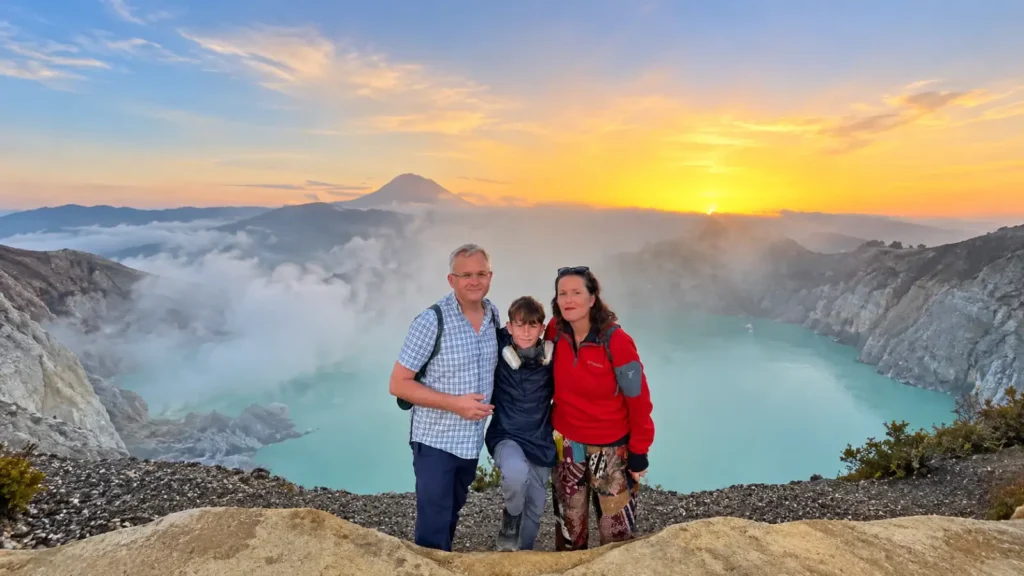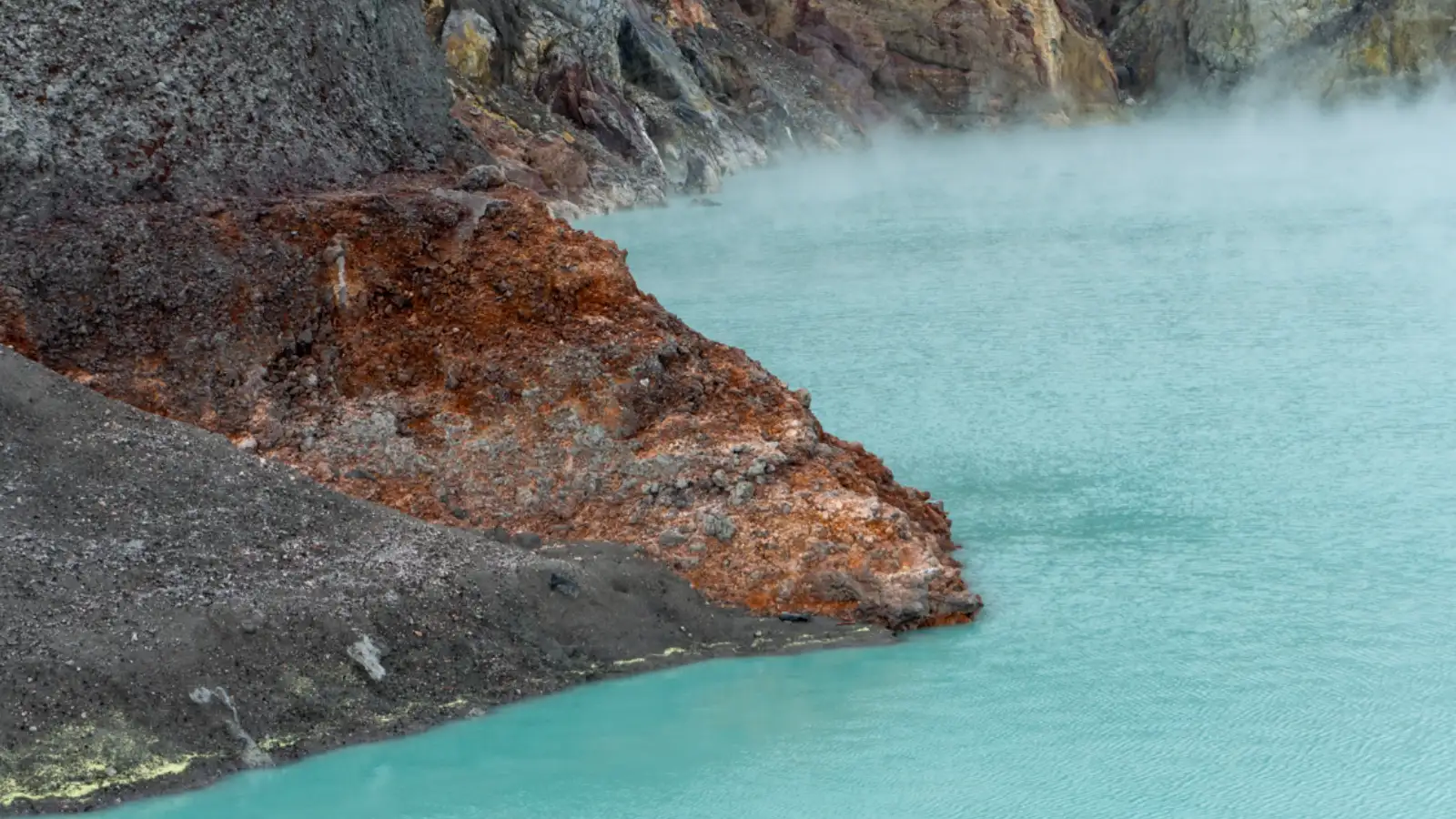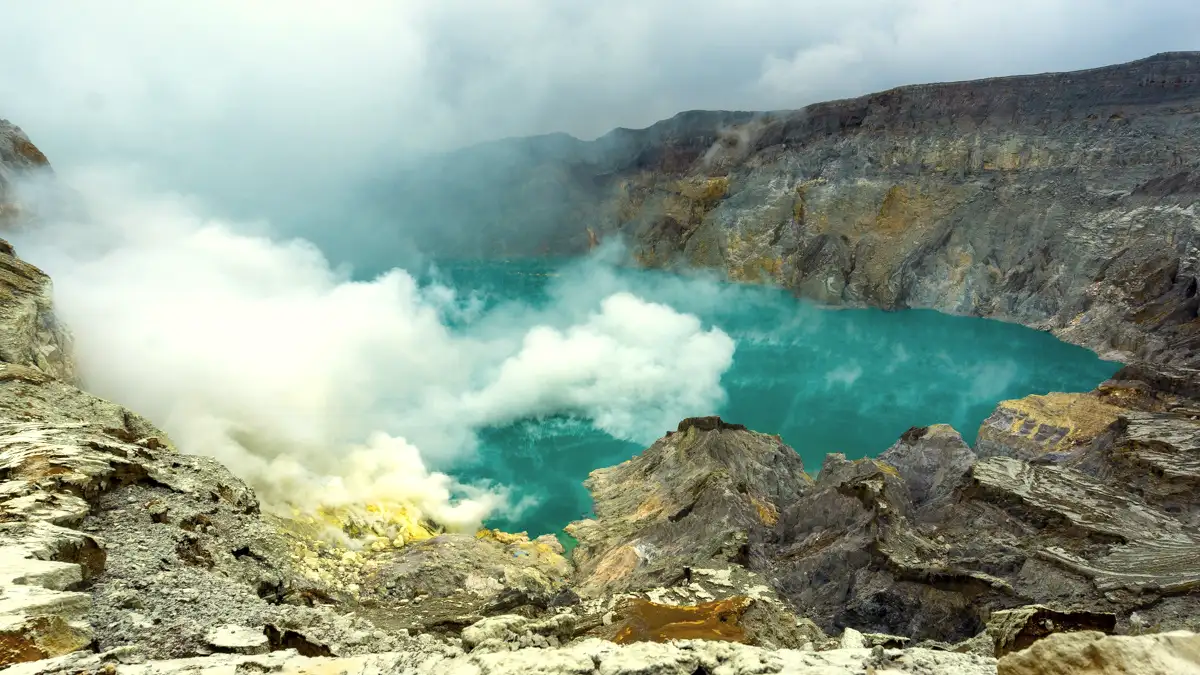
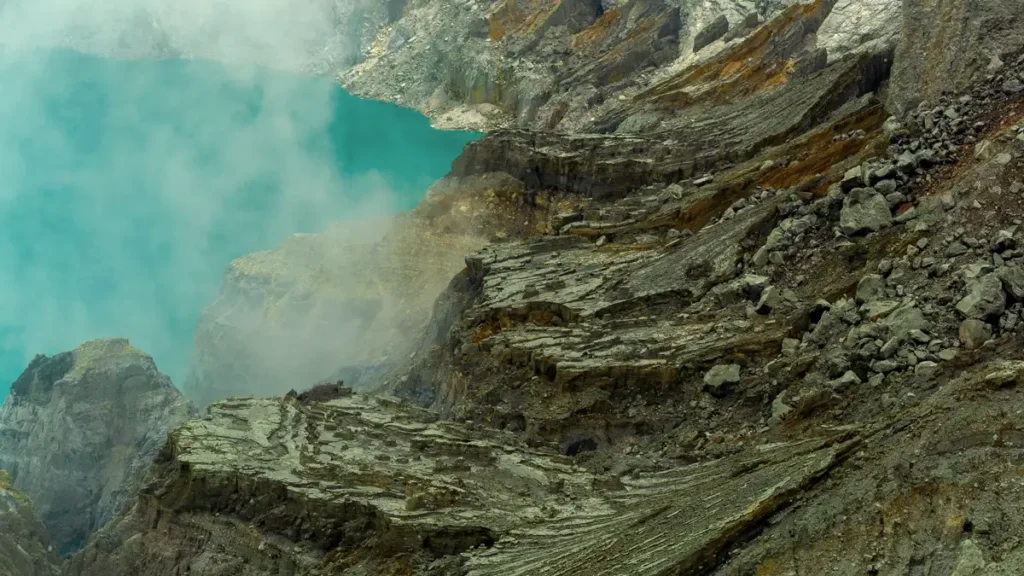
Visiting Kawah Ijen in November or December presents unique challenges and rewards. This period marks the start of the rainy season here in East Java. You’ll deal with more unpredictable weather and often reduced visibility. But don’t write it off; the crowds thin out, and the air can feel remarkably fresh after a downpour. Just come prepared for some serious mud and changing conditions. Getting the blue fire depends on the night’s fog and clouds, same for sunrise.
Quick Facts About Kawah Ijen in November & December
- Location: East Java, Indonesia. Near Banyuwangi.
- Paltuding Base Camp Elevation: 1,850m. Expect it cold.
- Crater Summit Elevation: 2,386m. The wind picks up here.
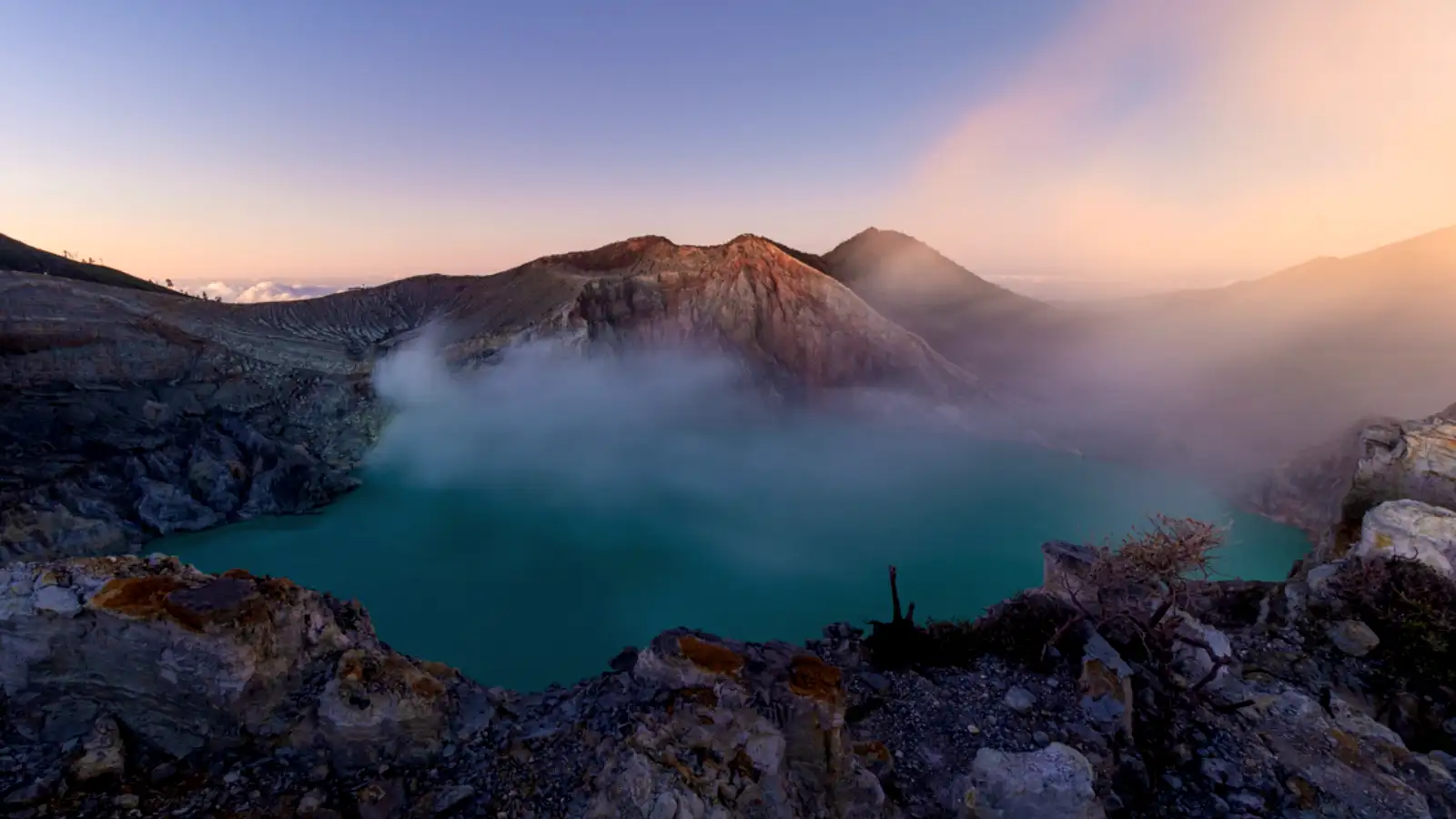
- Lake pH: Extremely acidic, typically less than 0.5. Absolutely do not touch it.
- Official Trail Opening Time: 02:00 AM WIB (Western Indonesia Time). Security won’t let you up earlier.
- Health Certificate (Surat Keterangan Sehat): Mandatory for entry. Get one at a local clinic; they’re cheap and quick.
- Weather Conditions: Expect daily rain showers, especially afternoons. Mornings can be clearer, but fog is common at the crater rim. Temperatures at night drop to 5-10°C, feeling colder with wind.
- Blue Fire Visibility: Possible, but rain or heavy fog can obscure it. Best chance is on dry, clear nights.
- Trekking Conditions: Trails will be muddy and slippery. Sturdy, waterproof trekking shoes are non-negotiable.
Kawah Ijen Weather: November & December Unpacked
Truth is, November and December kick off the rainy season across East Java. For Kawah Ijen, this means daily showers. Not always an all-day downpour, but regular bursts of rain. Most often, the rain hits in the afternoon or late evening. Mornings, especially very early ones, can still offer windows of clear skies. Sometimes. You need to be flexible.
Temperatures at Paltuding base camp (1,850m) will hover around 10-15°C during the day. Before dawn, it drops sharply. We’re talking 5-10°C, and with the wind chill at the crater rim, it often feels like 3°C or colder. That biting cold cuts right through thin jackets. Don’t underestimate it.
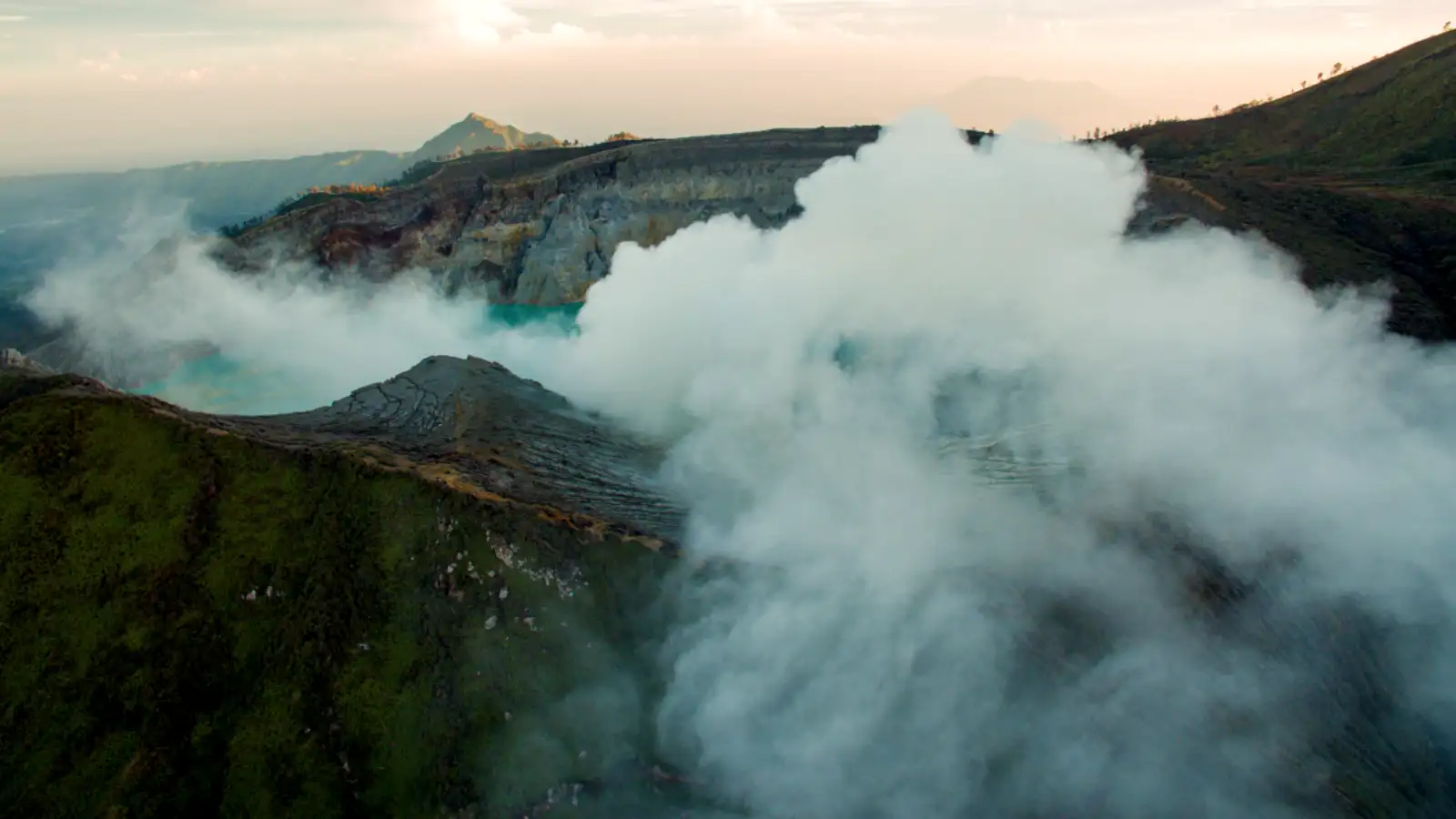
The real issue isn’t just the rain itself, it’s the fog. Heavy mist frequently rolls in, especially closer to sunrise. This can completely obscure the crater lake and the surrounding landscape. You might get lucky with a break in the clouds, or you might find yourself in a pea-souper. It’s a gamble, but a beautiful one even if the views are limited.
Blue Fire Visibility in the Rainy Season
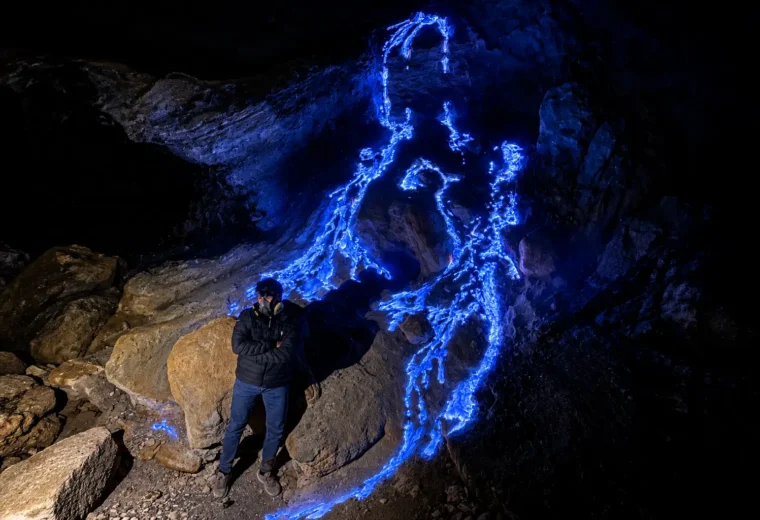
The Kawah Ijen blue fire is a natural phenomenon, not a fixed light source. Its visibility depends on two things: the amount of sulfur gas escaping and the atmospheric conditions. In November and December, rain itself doesn’t directly stop the blue fire. What it does is increase the chances of dense fog and cloud cover. If the night is clear, even after a daytime shower, you’ve got a decent shot. However, if thick mist blankets the crater rim, you won’t see much beyond a few meters. You need clear air.
To maximize your chances, arrive early. The blue fire is best seen between 02:30 AM and 04:00 AM, before dawn truly breaks. Even with some fog, you might catch glimpses if you’re patient and positioned well. It’s not guaranteed, especially during these wetter months, but it’s definitely not impossible.
Trekking Conditions: Mud, Slippage, and Resilience
Let’s be blunt: the Kawah Ijen trekking conditions in November and December are tough. The main trail from Paltuding is mostly packed earth and loose volcanic gravel. Add rain, and it transforms into a slippery, muddy ascent. It’s not a gentle walk.
You’ll encounter sections where water streams down the path. Your shoes will get caked in mud. On the descent, loose volcanic dust mixed with water creates a uniquely slick surface. Good grip on your footwear is paramount. Locals often use sandals, but they’ve been doing this for decades. Tourists need proper gear. Forget sneakers. You’ll be sliding backwards more than moving forward.
The descent into the crater for the blue fire adds another layer of difficulty. This path is steep, narrow, and rocky. Imagine that, but wet. Be extremely careful. Headlamp beams cutting through swirling mist are your only friends down there.
Local Knowledge and Ground Evidence for Your Ijen Trip
Look, visiting Ijen isn’t a walk in the park, especially in the rainy season. Here’s what you need to know from the ground:
- Dress for Layers: It’s freezing at Paltuding at 2:30 AM. Pack multiple thin layers. A waterproof outer shell is a lifesaver. Even if it’s not actively raining, the air holds moisture.
- Footwear is Non-Negotiable: Get proper hiking boots with ankle support and good traction. Waterproof is a huge bonus. Those cheap plastic rain ponchos are okay, but sturdy boots are essential. You’ll thank me when you’re not slipping on that volcanic dust mixed with mud.
- Headlamps: Don’t rely on your phone’s flashlight. You need a proper headlamp for the trek up and down the crater rim.
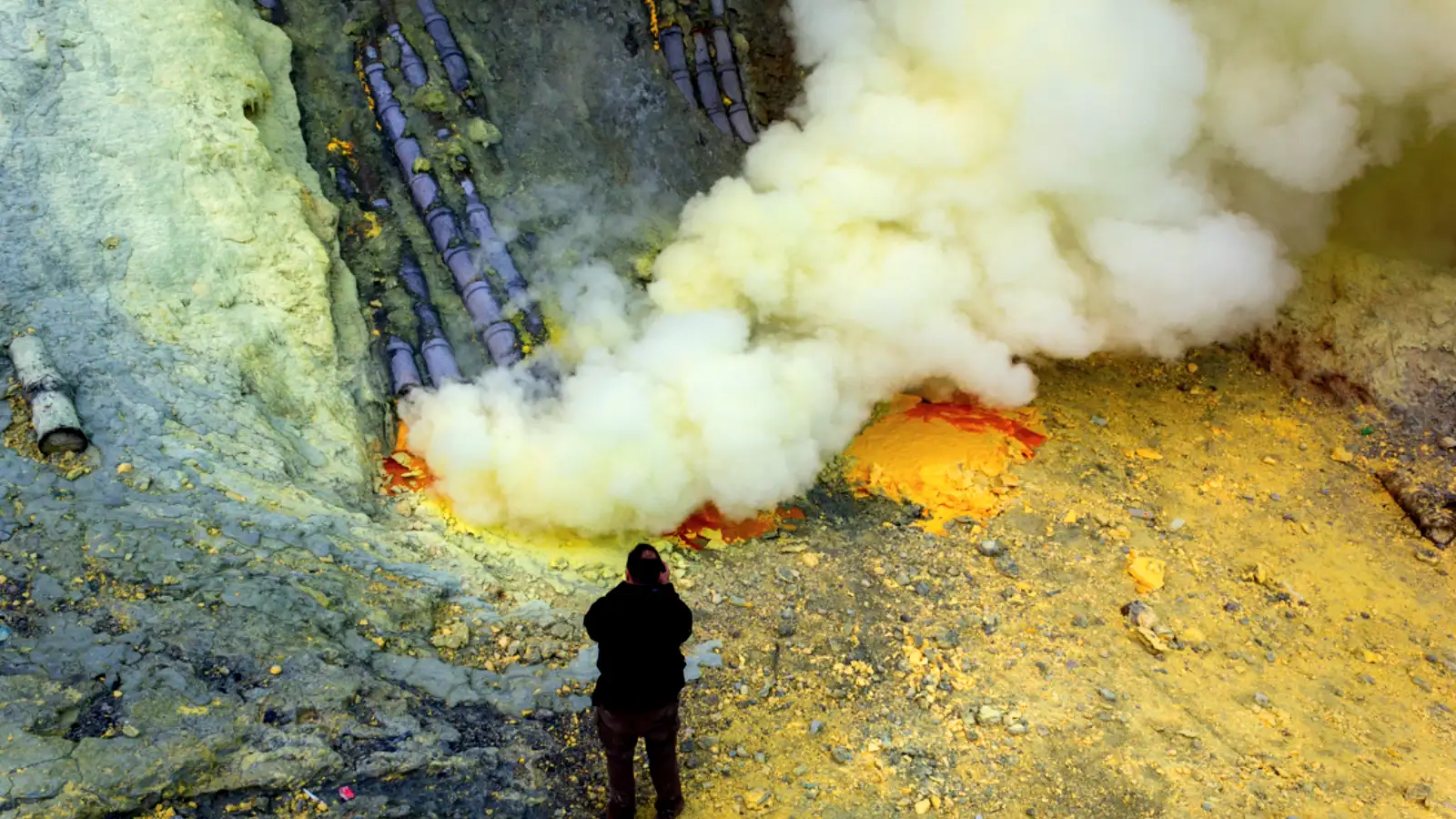
- Gas Masks: You’ll need one for the blue fire area. Your guide will usually provide it. The sharp smell of acrid sulfur gas hitting your throat near the crater rim is no joke.
- Get That Health Certificate: It’s called Surat Keterangan Sehat. A few years back, this became mandatory. Get it from a local clinic in Banyuwangi or Bondowoso. It’s usually a quick check and costs around 20,000-50,000 IDR. Don’t skip it; security will turn you away at Paltuding.
- Timing is Everything for Parking: On a Saturday or any public holiday, if you arrive at Paltuding after 03:00 AM, parking is a nightmare. Come earlier.
- Kopi Tubruk Power: After your trek, grab a hot mug of kopi tubruk at Pak Mat’s warung near Paltuding. Drivers chatter there. It’s simple, strong, and it warms you right up after being out in the cold.
Combined Kawah Ijen & Mount Bromo Tours
Many travelers combine Ijen with Mount Bromo. If you’re coming from Bali, the transit is straightforward:
- Bali to Java Ferry: From Gilimanuk (Bali) to Ketapang (Java), the ferry takes about 45-60 minutes. Keep in mind the time zone difference: Bali is UTC+8, Java is UTC+7. You gain an hour crossing over.
- Banyuwangi to Bromo: This is typically a 6-7 hour drive. During November-December, expect potential delays due to rain and heavier traffic in some areas.
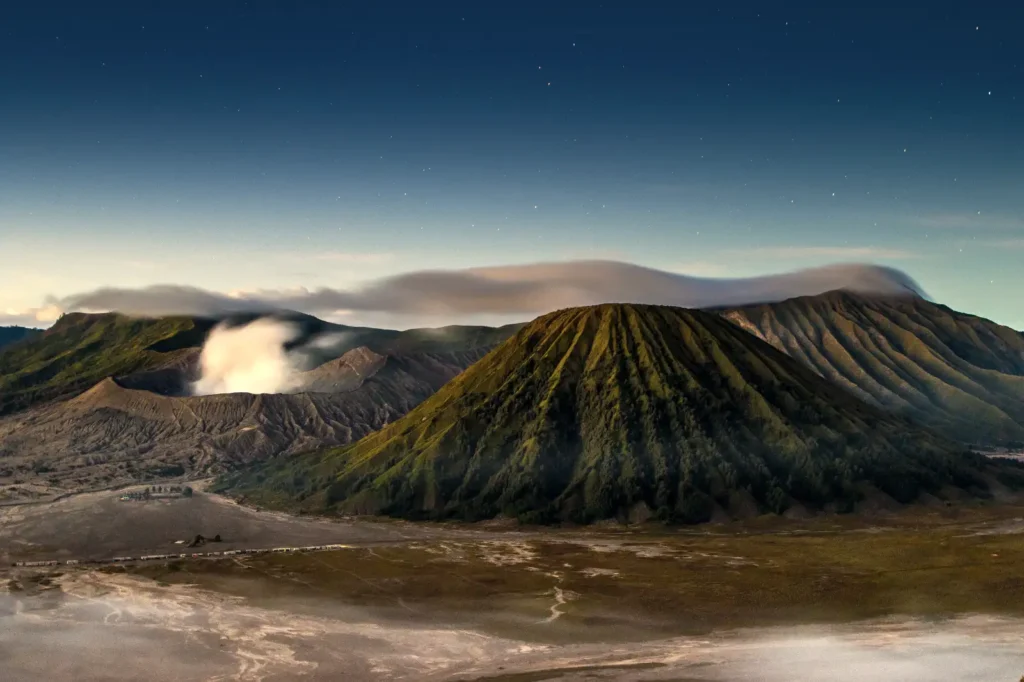
- Mount Bromo Jeep: For Bromo, you’ll need a mandatory 4WD Jeep. These vehicles navigate the sandy plains (Sea of Sand) and climb to viewpoints like Penanjakan 1 (2,770m). The rumble of Toyota Land Cruiser 40-series Jeeps roaring through Bromo’s Sea of Sand is iconic.
The weather patterns for Bromo are similar to Ijen during these months – more rain and fog. But the sunrise over the Tengger Caldera, even partially obscured, is still powerful. Just manage your expectations for crystal-clear views.
Essential Gear for Kawah Ijen in the Wet Season
Don’t skimp on preparation. This gear makes a difference for your safety and comfort.
- Waterproof Hiking Boots: Seriously, this is number one. With good ankle support.
- Rain Jacket/Poncho: A proper waterproof jacket is better than a cheap plastic poncho that rips.
- Warm Layers: Fleece, thermal underwear, gloves, and a beanie. You’ll shed layers as you climb, but need them at the top.
- Headlamp with Extra Batteries: Essential for safety in the dark.
- Small Backpack: For water, snacks, and extra clothing.
- Water & Snacks: Keep hydrated and fueled.
- Personal First-Aid Kit: For blisters, minor cuts, etc.
- Plastic Bags: To protect electronics and keep wet clothes separate.
Consider bringing trekking poles. They help immensely with stability on slippery and steep sections. Especially if you’re not used to this kind of terrain. Remember to check local conditions right before you go. Ask your guide for the latest updates. That’s always the best advice.
Frequently Asked Questions About Kawah Ijen in November & December
Is Kawah Ijen worth visiting in November or December?
Yes, absolutely. While it’s the rainy season, the experience is still incredible. You might face more challenging conditions and reduced visibility, but fewer crowds mean a more tranquil trek. Plus, the fresh, post-rain air can be invigorating.
Can I still see the blue fire during the rainy season?
You can. Visibility depends on fog and cloud cover more than rain itself. If the night is clear, you stand a good chance. Just be prepared for potential obstructions, and timing your descent for before 4:00 AM is critical.
What kind of shoes do I need for Ijen in November/December?
Sturdy, waterproof hiking boots with excellent grip are essential. The trails will be muddy, slippery, and uneven. Regular sneakers won’t cut it. Your guide will tell you the same.
Do I need a guide for Kawah Ijen?
While technically you can enter without one, a local guide is highly recommended, especially during the rainy season. They know the current trail conditions, can help with navigation in the dark or fog, and provide crucial safety advice, particularly around the active sulfur areas. Plus, they’re essential if you want to descend to see the blue fire closely.
How early do I need to start for the blue fire?
You should aim to start trekking from Paltuding around 02:00 AM WIB (Western Indonesia Time), which is when the trail officially opens. This ensures you reach the crater rim in time to descend for the blue fire before it starts to fade with the dawn.
What about the health certificate?
A health certificate (Surat Keterangan Sehat) is mandatory for entry. You can obtain one easily and affordably from local clinics in Banyuwangi or Bondowoso. Don’t forget this; security guards at Paltuding will ask for it.
Can I combine Ijen with other destinations during this time?
Definitely. Many travelers combine Ijen with Mount Bromo or other spots in East Java. Just account for potentially slower travel times and the need for proper gear at each location due to the rainy season. For tailored tours, consider checking out our tour packages.
Conclusion
Visiting Kawah Ijen in November or December requires a bit more planning and a willingness to embrace unpredictable weather. You won’t always get postcard-perfect clear skies, and the trails will be muddy. However, the chance to witness the blue fire, the unique beauty of the acidic crater lake, and the raw power of the landscape remains. Come prepared with the right gear, listen to local advice, and you’ll still have an impactful experience here in East Java. It’s about being ready for the conditions, not hoping for perfect ones.